

Managing diabetes looks like a juggling act, doesn’t it? Fear not. We’re here to tell you how some accurate tips, some much-needed support, and a sprinkle of optimism can make things as natural as your morning routine is. It’s almost like maintaining a garden, the more attention and care it gets, the more healthy and vibrant it turns out to be. For the same reason, we’re here to guide you regarding the necessities of diabetes management. Let’s dive in.
What is diabetes care and how do I practice it?
A complete diabetes management process, along with additional support, helps individuals live with diabetes. It includes preventing and managing complications, taking on strategies and interventions, controlling blood glucose, and looking after overall well-being. Diabetes care is a holistic process that calls for a multidisciplinary attitude, including medical care, lifestyle modification, awareness, and support from loved ones.
Can diabetes be treated?
Yes, diabetes can be managed and treated. All you need is a combination of regular blood monitoring, medications, and some lifestyle changes. Let us understand in detail the things you can do as part of diabetes management.
1. Lifestyle changes
Two major lifestyle changes you need to pick up on for diabetes management are your eating habits and exercising. Let’s break it down further.
- Eating: Normally, eating healthy may be a choice, but for diabetic people, it’s a necessity. As someone with diabetes, you have to understand how different foods affect your glucose levels. And it doesn’t stop at what you eat, it also has a lot to do with how much you eat, when you eat, and the way you combine meal items and your snacks.
When your diet is balanced with the right amount of fruits, veggies, lean proteins, healthy fats, and whole grains, your sugar levels will remain well-regulated, and your health will stay right. - Exercise: The more you move, the better your muscles can use the sugar for energy. Not only that, when you stay active, your body’s ability to use insulin also gets better. Ultimately, your sugar levels go down. Remember, the tougher the workout, the longer it stays in effect.
You can try activities like jogging, swimming, or cycling to improve insulin sensitivity, control weight, and reduce the risk of complications. However, light activities like walking or gardening also work.
2. Medications
Although dieting and exercising help a great deal with diabetes management, sometimes they’re not enough. Insulin and other diabetes medicines help keep your glucose levels in check. Here are some tips for the same:
- Keep your doctor informed about your medicinal problems
Just taking your medicine doses is not enough. You must take them at the right time and in proper doses. Hence, when you face any medical problems or your sugar level fluctuates too much, you must inform your doctor. Chances are, your dosage or timing needs changing. - Be careful with new medicines
Always have your guard up when it comes to new medicines. It’s recommended to talk to your healthcare provider beforehand. It includes medicines purchased without a prescription or medicines taken for other conditions. Stay curious, ask questions, and get to know how a medicine is likely to affect your sugar levels. - Keep your insulin well-stored
When insulin is stored inappropriately or is way past its expiration date, it may not work for you. It’s best to store it away from extreme temperatures.

3. Blood glucose monitoring
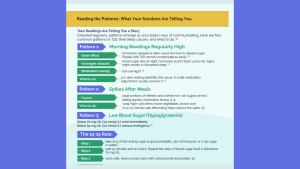
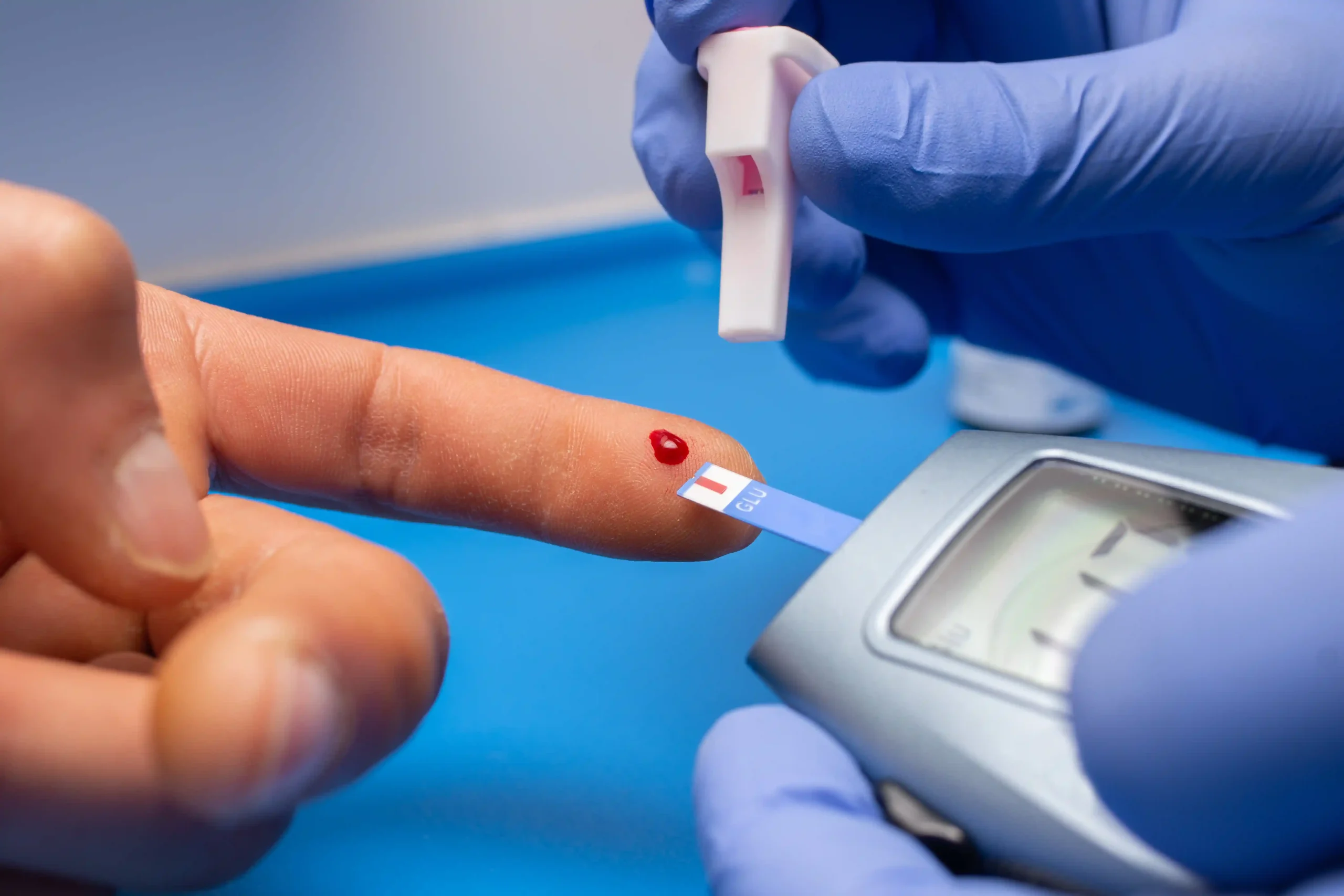
Be sure to check your blood sugar levels . You may use a glucose meter or a Continous Glucose Monitoring (CGM) system. These help you keep track of your progress, identify patterns, if any and then adjust your treatment plan accordingly.
Read More: 5 Benefits of Continuous Glucose Monitoring for Non Diabetics
4. Stress management
When you stress about something for a long time, your body doesn’t take it well. Especially if you have diabetes. In response to stress, your body releases hormones that bring up the level of your blood sugar. Additionally, following your multidisciplinary diabetic routine becomes a challenge when under stress.
Try going for activities that help keep your stress under control. You can meditate, perform yoga, or try deep breathing. These will help you cope with the emotional and psychological challenges of living with a chronic condition.
5. Regular checkups
Don’t take your routine check-ups lightly. Meet with your healthcare provider whenever it is due. Routine appointments are essential to closely monitor your blood sugar levels, your overall health, and any potential complications that may arise.
6. Preventive care
Taking some preventive measures can also go a long way. For example immunizations, eye exams or foot exams, dental check-ups, or screenings for other diabetic complications. These may contribute to your diabetes managementin great ways.
When navigating through the difficulties of diabetes management, don’t consider yourself alone. Using a care-filled environment, personalised treatment, and good diabetes lifestyle choices, you can enjoy a life of health, happiness, and well-being. GoodFlip is your partner in this health journey and helps provide strategies for controlling diabetes like a pro.
Our patient-centric app GoodFlip helps patients track and monitor their blood sugar levels through lab tests, medication reminders, vitals monitoring, and much more. Download and register on our app to get access to the accurate and personalised health recommendations and advise.