

A crunchy, guilt-free snack that may help balance your blood sugar. If you’ve ever craved something light, crunchy, and healthy, chances are someone has said, “Eat makhana, it’s great for diabetes!” But is it really? Or is it just another hyped-up “superfood” in disguise?
Let’s explore what science and traditional wisdom say about makhana (also called fox nuts or lotus seeds) and how it can fit smartly into a diabetic-friendly lifestyle.
What Exactly Is Makhana?
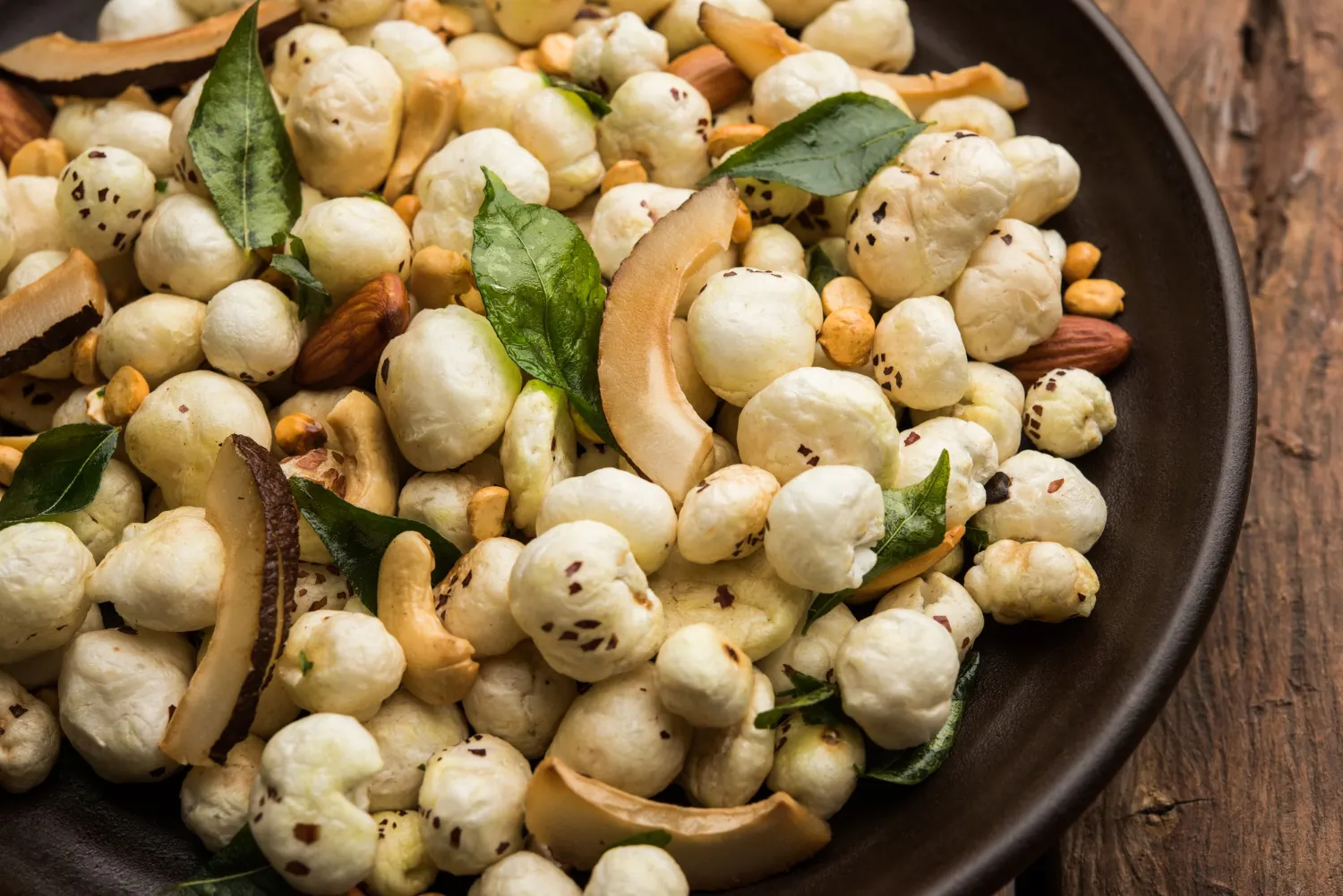
Makhana comes from the seeds of the lotus plant (Euryale ferox), harvested, roasted, and puffed into the airy, white snack we all know.
It’s been part of Indian diets for centuries often eaten during fasting and now, it’s making a comeback as a nutrient-dense, low-GI snack for modern lifestyles.
Fun fact: In Ayurveda, makhana is considered sattvic pure, nourishing, and calming for the body.
Nutritional Snapshot
| Nutrient (per 100 g roasted makhana) | Approx. value |
|---|---|
| Calories | ~340 kcal |
| Carbohydrates | 76–77 g |
| Protein | 9–10 g |
| Fat | 0.5 g |
| Fibre | 7–14 g |
| Magnesium, Potassium, Phosphorus | Moderate |
| Cholesterol & Sodium | 0 g |
What this means:
- High fibre → Slower glucose absorption
- Moderate protein → Sustained energy
- Very low fat → Heart-friendly
- Good minerals → Support insulin function
No wonder it’s become a go-to choice for people managing their blood sugar.
Why Makhana Works for Diabetes
1. Low Glycaemic Index (GI ≈ 37)
The glycaemic index tells us how fast a food raises blood sugar. Makhana’s GI of around 37 means it digests slowly, releasing glucose gradually unlike high-GI snacks such as chips or white bread.
Result: steady blood sugar, no sudden spikes or crashes.
2. High Fibre = Stable Glucose
Fibre acts like a traffic light for sugar absorption slowing down the rush. This helps diabetics maintain smoother post-meal readings and keeps hunger under control.
3. Rich in Antioxidants
Makhana is naturally packed with flavonoids like kaempferol and quercetin, which:
- Reduce oxidative stress (a major cause of diabetic complications)
- Support insulin sensitivity
- Protect the pancreas and blood vessels
In simple terms: it helps your body use insulin better and keeps inflammation down.
4. Supports Weight & Heart Health
For Type 2 diabetics, managing weight is key.
- Makhana’s low-calorie density and high satiety make it ideal for portion-controlled snacking.
- It’s also low in sodium and cholesterol-free, helping control blood pressure and improve lipid levels.
5. Balances Energy for Type 1 Diabetes
For people on insulin, makhana provides slow-release carbs that are easier to match with insulin dosing. It can be used as a light snack to avoid sudden sugar highs or lows just remember to count the carbs!

What Science Says
Modern studies back what tradition always knew:
- Animal studies show makhana extract lowers blood glucose and improves insulin levels.
- Human trials confirm its low-GI value (~37), classifying it as a diabetic-friendly food.
- Researchers found that its antioxidants also protect the kidneys and liver, which are commonly affected in long-term diabetes.
In short, science approves the snack!
Ayurveda’s Take on Makhana and Diabetes
In Ayurveda, diabetes is called Madhumeha, a condition caused by an imbalance in metabolism and excess “Kapha.”
- Makhana is said to pacify Vata and Pitta, nourish the body, and help control frequent urination and fatigue, common diabetic symptoms.
- It’s also considered “oja-building”, meaning it restores energy and immunity without aggravating blood sugar.
- Ayurveda recommends consuming it in moderation, roasted, not fried, and preferably seasoned with gentle spices like turmeric or cumin.
How to Eat Makhana the Right Way
Best Preparation:
- Roast or air-fry: Use a pinch of ghee or olive oil for crunch.
- Avoid: Deep-fried or sugar-coated makhana packets they cancel out all the benefits.
Smart Pairings:
- Combine with roasted chana or nuts → adds protein, lowers glycaemic impact.
- Add to salads, raitas, soups, or grind into makhana flour for low-GI recipes.
Portion Control
Stick to 30 g (about 1 cup roasted makhana) per day. That’s enough to manage hunger without overloading carbs (~15–20 g net carbs per serving).
Best Time to Eat
Mid-morning or early-evening snack time works best. It keeps your energy steady and prevents overeating at main meals.
Quick Makhana Ideas for Diabetics
Masala Makhana – Dry roast, toss with turmeric, cumin, and pink salt.
Makhana Bhel – Mix with onions, tomatoes, coriander, and lemon juice for a tangy fibre boost.
Makhana Trail Mix – Blend with almonds, flaxseeds, and a few raisins for a balanced bite.
Makhana Raita – Add roasted makhana to curd with mint and roasted cumin.
Makhana Curry – Cook in tomato-based gravy with paneer or tofu for a low-GI meal.
Common Myths Cleared
| Myth | Truth |
|---|---|
| “Makhana has carbs, so it’s bad for diabetes.” | True, it has carbs, but complex, low-GI ones that release slowly. |
| “I can eat unlimited makhana.” | Nope. Overeating can still raise sugar or cause bloating. Stick to one handful. |
| “Flavoured makhana is healthy.” | Check labels; many have added sugar or excess salt. Plain or lightly spiced is best. |
| “Makhana will cure diabetes.” | No single food can cure diabetes. It’s a supportive part of a balanced plan. |
Possible Side Effects of Makahana, if Overeaten
- Bloating or constipation (too much fibre without enough water)
- Mild rise in blood sugar if portion sizes are excessive
- Rarely, an allergy to lotus seeds
Drink plenty of water and keep portions moderate to stay on the safe side.
Key Takeaways
- Low-GI (≈ 37) and high-fibre
- Helps manage blood sugar and weight
- Supports heart and liver health
- Rich in antioxidants (flavonoids, magnesium, zinc)
- Works for both Type 1 and Type 2 diabetes
- Easy to include in Indian meals
Makhana isn’t just a trendy snack; it’s a science-backed, tradition-approved ally for better blood sugar control.
Conclusion
Living with diabetes doesn’t mean giving up the foods you love; it means understanding how they affect your body and choosing wisely. With diabetes, it’s all about small, thoughtful decisions that add up. Makhana makes one of those decisions easier, a simple snack that fits perfectly into your health goals.
At GoodFlip, we believe in using everyday foods and smart tracking to build metabolic balance. Our app helps you track your glucose, habits, and progress, making every bite count toward remission.
Make the GoodFlip today! Check your Metabolic Score, discover healthy swaps like makhana, and see how small flips create big changes.