


Most people think sleep is simply the body’s “off” switch. But the truth is the opposite.
Sleep is the most active repair mode your body enters each day.
The moment you drift off, your cells start rebuilding, your hormones reset, and your gut takes a break from digesting food so it can finally focus on deeper restoration.
If you are eating well, hydrating, and even moving a bit but still waking up tired, the missing link might not be food at all.
It might simply be sleep.
Today’s blog will help you understand why good sleep is essential for metabolic health, how it helps convert nutrients into real energy, and what simple habits can help you sleep better tonight.
Why Sleep Is the Foundation of Metabolic Health
Your metabolism works around the clock, but its most important work happens when you are not awake to see it. At night, your body resets the systems that control hunger, energy, mood, immunity, and digestion.
Here is what sleep does for your metabolic health:
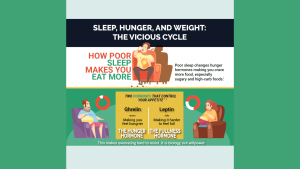
- Hormones reset at night: Hormones like insulin, cortisol, leptin, and ghrelin find their balance while you sleep. Balanced hormones mean better appetite control, better digestion, and more stable blood sugar levels.
- Stress drops naturally: Cortisol, the body’s stress hormone, falls during deep sleep. Lower cortisol helps you wake up calmer, clearer, and better able to handle the day.
- Your gut gets to rest: When you sleep, digestion slows down. This gives your intestines time to repair the gut lining and prepare for better nutrient absorption the next day.
- Poor sleep weakens metabolism: Even one night of poor sleep reduces insulin sensitivity, slows digestion, and increases cravings. This is why people often feel hungrier, heavier, or more irritable after a late night.
Sleep is not just “rest!” Sleep is metabolic maintenance.
What Happens Inside the Body During Deep Sleep
Deep sleep is the magic zone for repair. Here is what your body is doing during those hours.
1. Tissue repair and muscle rebuilding: Your muscles recover from the day’s activity and tiny tissue tears are repaired. This helps you feel stronger and reduces next-day fatigue.
2. Growth hormone release: Growth hormone peaks during deep sleep. It helps build muscle, repair cells, and burn fat more efficiently.
3. Melatonin rises: Melatonin is not just a sleep hormone. It also has antioxidant properties that repair cellular damage caused by stress, pollution, and daily wear and tear.
4. Digestion slows down: Your body stops focusing on breaking down food and switches into healing mode.
This helps your gut repair itself and supports smoother digestion the following day.
Deep sleep is where the transformation happens.
How Poor or Irregular Sleep Interrupts Recovery
When sleep is delayed, disturbed, or inconsistent, your body cannot complete its repair cycle. This leads to a ripple effect the next day.
1. Nutrients remain underutilised: Even if you eat nutrient-rich meals, the body cannot fully use vitamins, minerals, and proteins without proper rest.
2. Protein synthesis drops: Protein helps build muscle and supports recovery. Low sleep = low repair = low energy.
3. Insulin sensitivity decreases: Your cells become less responsive to insulin. This leads to blood sugar swings, cravings, and afternoon crashes.
4. You wake up tired despite eating well: This is the number one sign of incomplete repair. Nutrition works only when sleep allows the body to process it.
Good food cannot fix poor sleep. But good sleep can fix how your body uses food.
Sleep and Nutrient Efficiency: Why Recovery Sleep Matters

Your body depends on quality sleep to convert meals into usable energy.
1. Good sleep improves nutrient absorption: Vitamins, minerals, and amino acids are better absorbed when your gut is rested.
2. Good sleep improves how your cells use nutrients: Proteins repair muscles. B vitamins support energy production. Magnesium regulates stress and sleep. All of these work better after proper sleep.
3. Poor sleep weakens digestion: Your gut becomes sluggish, causing heaviness, bloating, and low morning energy even if you eat healthy foods.
4. Morning grogginess is a sleep hormone issue: Melatonin and cortisol should naturally balance by morning. Irregular sleep disrupts this balance, leaving you slow and tired. Sleep determines how well your body uses every bite of food.
Today’s Habit: Prioritise a Full Night of Recovery Sleep
Tonight, aim for:
- A consistent sleep schedule
- A calm and predictable nighttime routine
- Adequate wind-down time before bed
Your goal is not just to “sleep more”. Your goal is to help your body enter recovery mode smoothly. Small changes tonight can make tomorrow feel completely different.
Pre-Sleep Routine Tips for Better Rest
A good night begins hours before you lie down. Here is how to prepare your mind and body.
- Keep dinner light and early: Finish your meal at least two hours before bedtime. This lets digestion complete so your body can shift into repair.
- Dim the lights: Bright lights confuse the brain and delay melatonin production. Warm lighting signals “slow down” to the body.
- Reduce screen brightness: Blue light delays sleep and increases alertness. Lower brightness or switch to warm mode.
- Use calming sounds: Soft music, rain sounds, or gentle white noise help your body relax faster. A good routine makes your body look forward to sleep.
Creating a Repair-Friendly Sleep Environment
Your sleep environment is the biggest factor in the quality of rest.
- Keep the room cool: Slightly cooler temperatures help the brain fall asleep faster.
- Keep the room dark: Light interferes with melatonin. Try blackout curtains or an eye mask.
- Keep it quiet: Noise disrupts deep sleep. Use earplugs or white noise if needed.
- Avoid caffeine and desserts late at night: Both sugar and caffeine interfere with your natural sleep rhythm.
- Keep your phone away from the bed: This reduces temptation to scroll and helps signal the brain that it is time to rest.
Your bedroom should feel like a sleep sanctuary.
Foods That Support Better Sleep
Certain foods help the body wind down naturally. Try including these in your evening routine.
- Magnesium-rich foods
- Banana
- Spinach
- Nuts and seeds
Magnesium relaxes muscles and calms the nervous system.
- Warm milk: Contains tryptophan, which supports natural relaxation.
- Hydrate earlier in the evening: Stay hydrated but reduce water intake right before bed to avoid waking up at night.
Nourish your body in a way that supports rest.