

If there is one daily habit that can instantly shift your metabolic health, it is the way you build your plate. What you eat today shows up directly in tomorrow’s blood sugar, cholesterol, triglycerides, and even your energy levels. Every meal you eat sends a message to your metabolism, and your biomarkers respond accordingly.
A balanced plate is not a diet rule or a trend. It is the simplest, most science-backed method to support your metabolism, reduce glucose spikes, and build long-term health through everyday eating.
This guide will show you why your plate composition matters more than you think, and how to use the ½–¼–¼ formula to start improving your biomarkers from your very next meal.
Why Your Plate Is Speaking to Your Biomarkers
Your meal is not just food. It is data for your body.
Blood sugar rises based on the balance of carbs, protein, and fibre. Cholesterol levels respond to the fats and cooking oils you choose. Triglycerides rise when your meals are too carb heavy and too low in protein.
So when your daily meals lack balance, your biomarkers start showing the impact. The opposite is also true. When your plate is thoughtfully built, your biomarkers shift in the right direction in a matter of weeks.
The Science Behind a Balanced Plate
Most metabolic issues start with one simple pattern: unbalanced meals. A meal that is mostly carbs, low in protein, and low in fibre digests very quickly. This causes:
- A rapid rise in blood sugar
- A strong insulin spike
- A quick drop in energy
- Increased hunger within two hours
- More fat storage through the day
Balanced meals work differently. When you combine fibre, protein, and healthy fats with whole grains or complex carbs, digestion slows down. Glucose enters the bloodstream more steadily, insulin release is controlled, and your body feels satisfied for longer. A balanced plate supports:
- Better energy
- Stable blood sugar
- Lower cravings
- Improved insulin sensitivity
- Hormone balance throughout the day
This is why nutritionists focus less on calorie counting and more on meal composition. How you build your plate matters more than how much you eat.
Why Biomarkers Respond Directly to Meal Composition
Biomarkers are simply signals that tell you how your internal system is functioning. The food you eat influences them more powerfully than most people realise.
Blood Sugar
High carb meals without fibre or protein digest quickly, leading to glucose spikes. Over time, repeated spikes harm insulin response.
Cholesterol
The type of fats you consume influences LDL and HDL levels. Fibre from vegetables binds excess cholesterol and helps remove it from the body.
Triglycerides
These are strongly affected by meals high in refined carbs and low in protein. Improving plate balance can reduce triglycerides significantly.
This is why the first step many doctors recommend to anyone with metabolic challenges is a simple change in plate structure.
The ½ – ¼ – ¼ Rule: The Simple Plate Formula That Works
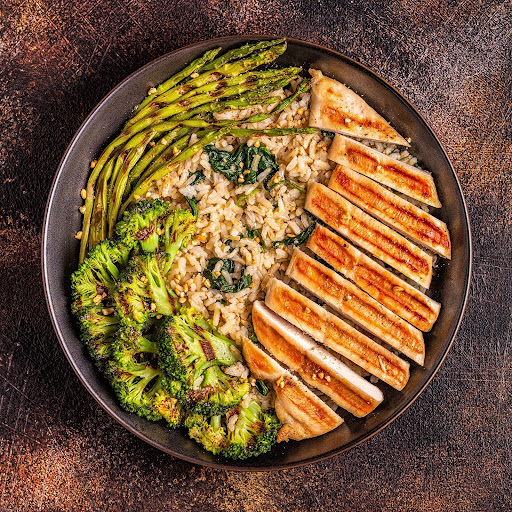
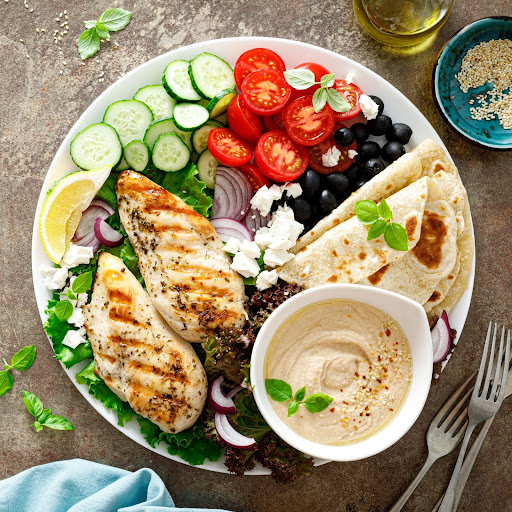
If you want one rule to guide your everyday eating, this is it.
- Half the plate: Vegetables
This section gives you fibre, antioxidants, micronutrients, and bulk that slows digestion.
Examples: spinach, carrots, beans, cucumbers, cabbage, broccoli, bottle gourd.
- One quarter: Protein
Protein helps manage hunger, stabilises blood sugar, and maintains muscle mass.
Examples: dal, lentils, paneer, tofu, eggs, grilled chicken, curd.
- One quarter: Whole grains or healthy carbs
These give steady energy without spiking glucose.
Examples: brown rice, millets, whole wheat roti, quinoa.
This simple structure is easy to remember, works for Indian meals, and helps you improve your biomarkers meal after meal.
What Happens When Your Plate Lacks Balance
If your meals are mostly rice, roti, or noodles, with very little protein or vegetables, you may notice:
- Sleepiness after meals
- Strong cravings within a short time
- Bloating or sluggish digestion
- Irritability or mood swings
- Afternoon energy crashes
- Fluctuating appetite
- Weight gain over time
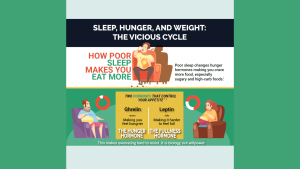
Unbalanced meals also force your body to release more insulin, which encourages fat storage and affects hormones connected to hunger and fullness.
How Balanced Meals Improve Your Biomarkers
Once you start structuring your meals with the ½–¼–¼ method, your biomarkers respond positively.
- Slower glucose release: Fibre and protein slow the absorption of carbs, reducing spikes.
- Improved insulin sensitivity: Steady meals reduce the insulin burden on your body.
- Better digestion: Vegetables and whole grains move smoothly through the gut.
- Lower cravings: Protein and fibre keep you full and satisfied.
- Better lipid profile: More fibre and better fats support healthier cholesterol and triglycerides.
Over weeks, this approach builds metabolic stability that is visible in blood test improvements.
Quick Food Swaps for Better Biomarkers
Here are simple swaps that make a noticeable difference:
- White rice → brown rice, red rice, or millets
- Refined flour roti → whole wheat or multigrain roti
- Deep-fried food → shallow sauté or air fryer
- Refined oil → mustard, olive, or groundnut oil
- Dessert after meals → fruit before meals
- Low fibre meals → add a bowl of sabzi or salad
Small, consistent changes create long-term results.
Pro Tips for Building Better Plates Every Day
These small cues help you understand your body’s signals and adjust your meals effortlessly.
- If you feel sleepy after meals: You may be eating too many carbs. Add more vegetables or protein next time.
- If meals feel heavy: Check your oil quantity and reduce portions slightly.
- If you crave sugar: Add more protein to your breakfast and lunch.
- If digestion feels slow: Chew slower and add one extra serving of vegetables.
- If your energy dips often: Swap refined carbs with whole grains and millets. Try It Today: Build One Balanced Plate
Applying the ½–¼–¼ method is the simplest way to improve your biomarkers naturally.
It is not restrictive, complicated, or time consuming. It is practical, sustainable, and effective for almost every Indian meal pattern.
Today, try building at least one balanced plate. Your metabolism will feel the difference, and your biomarkers will reflect it. Your plate is your most powerful metabolic tool. Use it well.