

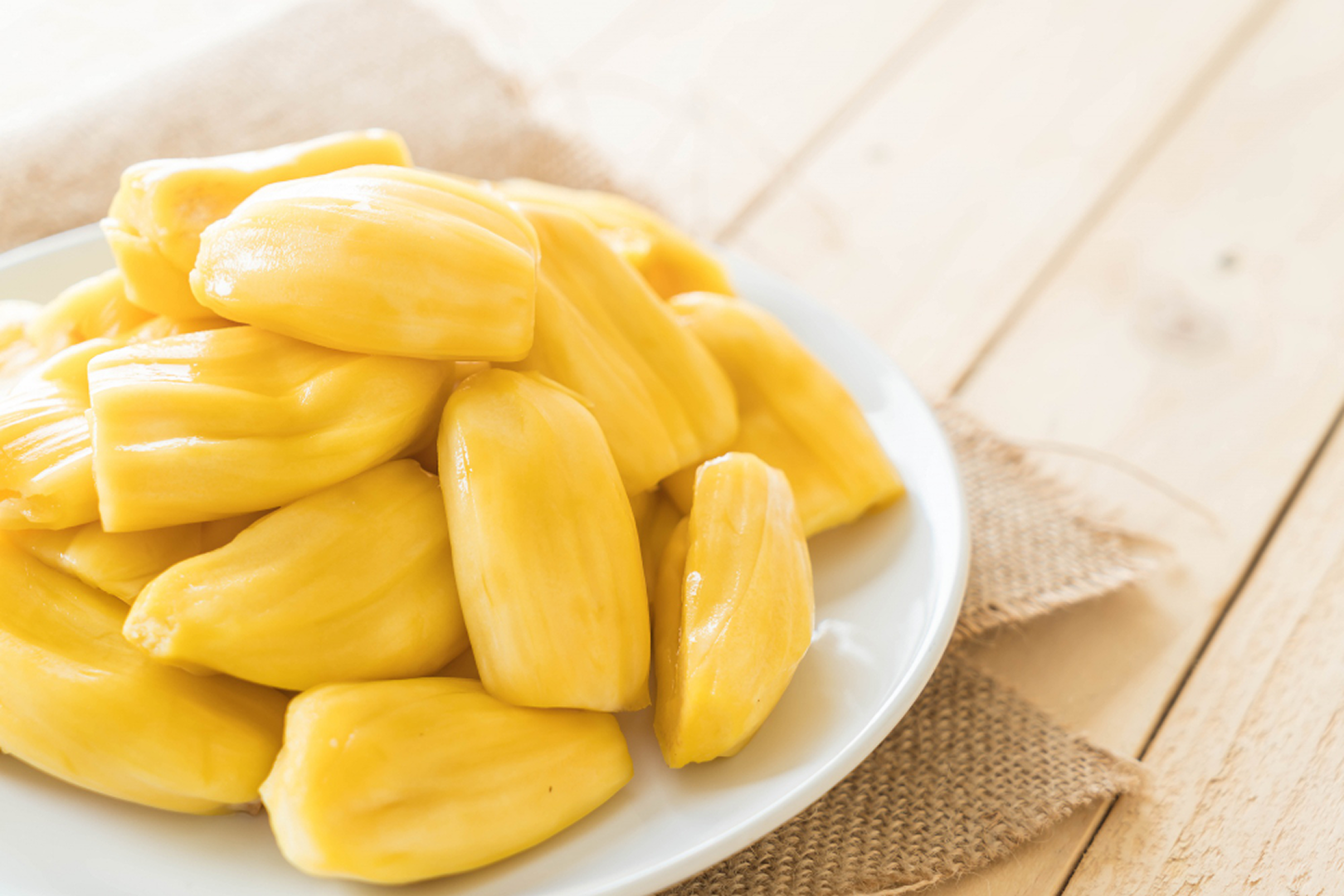
Jackfruit (kathal, chakka) has always had a place on Indian plates – from North Indian sabzis to Kerala’s chakka dishes. But can people with diabetes eat jackfruit? Short answer: yes, with the right form, portion, and pairing.
Raw (unripe) jackfruit and green jackfruit flour can help lower the glycemic load of your meal. Ripe jackfruit is sweeter and best enjoyed in smaller portions. This guide explains how to use jackfruit smartly, what to choose, how much to eat, and easy Indian ways to add it to your diet.
Why jackfruit can fit a diabetes diet?
1) Glycemic index (GI) & glycemic load (GL)
- GI tells you how fast a food raises blood sugar; GL also considers how much you eat.
- Jackfruit typically falls in the low-to-medium GI range, especially in its raw/unripe form.
- Green jackfruit flour lowers the overall GL of typical Indian meals (roti, idli, dosa) when it replaces part of wheat/rice.
Plain speak: It’s not just what you eat, it’s how much and what with. Jackfruit helps when it replaces higher-GI staples, not when it’s added on top.
2) Fibre & resistant starch
Raw jackfruit and its flour are rich in dietary fibre and resistant starch- carbs that digest slowly and blunt glucose spikes. Fibre also improves fullness, supports gut health, and can indirectly help with weight management.
3) Protective plant compounds
Jackfruit contains flavonoids, carotenoids, and phenolic-antioxidants linked to better metabolic health. They don’t “cure” diabetes, but they support long-term health (heart, eyes, immunity).
→ Read More: Which Rice Is Best for Diabetics?
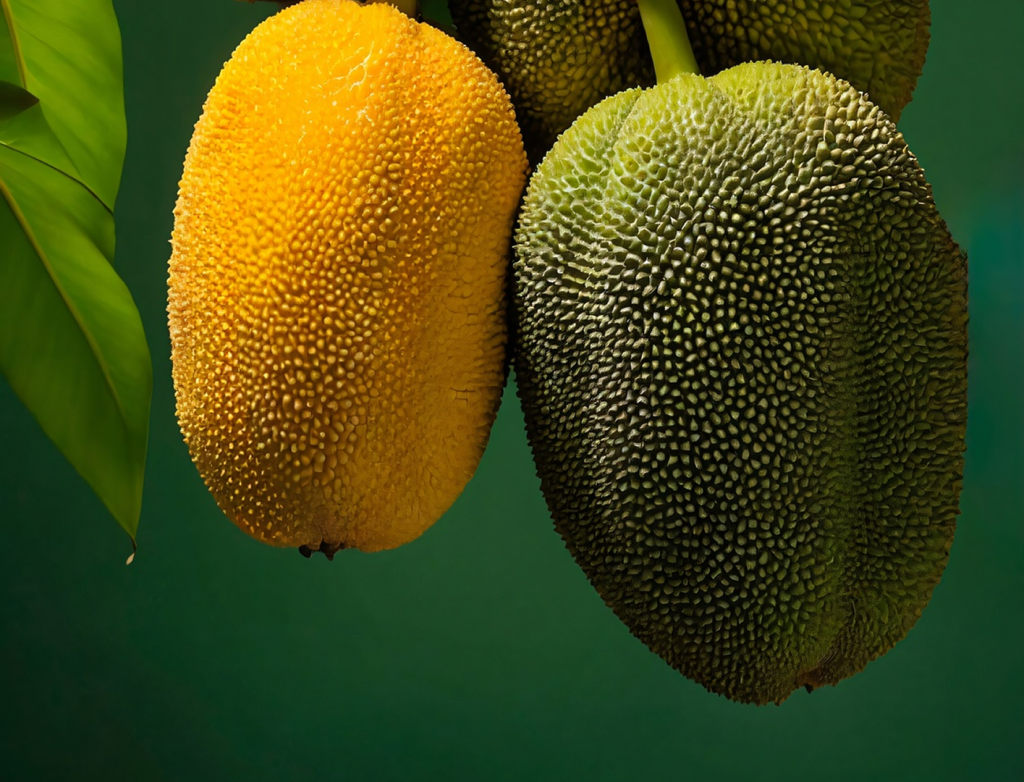
Raw vs. ripe jackfruit: which is better for blood sugar?
Raw (unripe) jackfruit = best choice
- Starchy, lower in free sugars, and higher in fibre.
- Works beautifully as a vegetable: kathal curry, poriyal, tikki, or biryani.
- Practical benefit: lets you replace some rice/wheat in the meal, bringing lower GL to your plate.
Ripe jackfruit (sweet bulbs) = enjoy sparingly
- Naturally sweet and delicious, but higher in sugars than raw.
- Still has fibre and micronutrients, but portion control is key.
- Treat it like mango/banana: a few bulbs, not a big bowl; ideally pair with nuts/curd to slow absorption.
Green jackfruit flour: the simple swap that works
What it is: Flour made from unripe jackfruit; no gluten, neutral taste, high fibre.
Why it helps: When you replace a portion of atta or rice batter with this flour, your meal’s glycemic load drops without changing your cuisine.
How to use (simple ratios):
- Rotis/Parathas: Replace 15–25% of atta with green jackfruit flour (e.g., 1–2 tbsp per roti batch).
- Idli/Dosa batter: Replace 10–20% of the rice portion.
- Upma/porridge/soups: Stir in 1–2 tbsp to boost fibre.
Pro tip: Start small so the texture and taste feel familiar. Most people don’t notice a big change at 10–20% replacement, but your post-meal readings will.
⇒ Read More: Sugar Testing Machines Without Blood: How Non-Invasive Glucose Testing Works?

How much jackfruit is okay? (Portions, timing, pairing)
Portion guide (general)
- Raw jackfruit (cooked): ~¾–1 cup as your main sabzi is reasonable when it replaces a higher-GI carb.
- Green jackfruit flour: ~30 g/day (about 2 tbsp) split across meals is a practical evidence-based dose.
- Ripe jackfruit: 4–6 bulbs (≈75–100 g) on a day you’re active and count it within your fruit allowance.
Timing & pairing
- Prefer daytime consumption (when you’re more active).
- Pair with protein and healthy fat (dal, paneer, curd, egg, nuts, seeds) to slow glucose rise.
- If you use a CGM or glucometer, test your 2-hour reading after a jackfruit meal. Adjust portions based on your data.
Jackfruit vs other diabetes-friendly Indian foods
| Food | How it helps | When to prefer it |
| Raw jackfruit | Lowers meal GL when used as sabzi/main; fibre & resistant starch | When you want a tasty staple replacement for rice/potatoes |
| Green jackfruit flour | Easy swap into atta/batter; lowers spikes without changing cuisine | Daily small replacement in rotis/idlis/dosas |
| Bitter gourd (karela) | Very low GI; bioactives support glucose control | Strong therapeutic add-on; best for sugar control days |
| Jamun & jamun seed powder | Low GI; traditional insulin-sensitising effect | Seasonal fruit or seed powder as an adjunct |
| Millets (ragi, jowar, bajra, foxtail) | Lower GI than polished rice; higher fibre/minerals | Grain-level swap for rice/maida; rotate with jackfruit |
Takeaway: You don’t have to choose only one. Many Indians rotate millets, jackfruit (raw or flour), karela, and jamun through the week for sustained benefits.
9 Easy Indian ways to add jackfruit (diabetes-friendly)
1. Kathal masala (dry): Stir-fry boiled raw jackfruit with mustard, jeera, onions, tomatoes, and garam masala. Eat with 1 roti (part-jackfruit flour).
2. Kerala-style chakka erissery: Raw jackfruit cooked with coconut, cumin, curry leaves; pair with moong dal instead of large rice portions.
3. Jackfruit tikki: Mash boiled raw jackfruit with chana dal, ginger-garlic, and spices; pan-sear for a high-fibre snack.
4. Jackfruit biryani/pulao: Replace half the rice with raw jackfruit chunks; add veggies and mint for volume.
5. Roti upgrade: Replace 15–25% atta with jackfruit flour. Serve with dal/paneer and a big salad.
6. Idli/dosa upgrade: Replace 10–20% of the rice with jackfruit flour in the batter.
7. High-fibre porridge/soup: Stir 1 tbsp jackfruit flour into vegetable soups or ragi porridge.
8. Jackfruit seed chutney podi: Roast seeds, grind with roasted chillies, garlic, and sesame; sprinkle on curd rice (small portion) or salads.
9. Smart dessert swap: If craving something sweet, choose 4–6 bulbs of ripe jackfruit with a few nuts instead of halwa/ice cream.
⇒ Read More: 5 Benefits of Continuous Glucose Monitoring for Non Diabetics
Safety, cautions & common mistakes
Who should be cautious?
- People with very high sugars should stabilise first and add jackfruit slowly while monitoring.
- Those with latex or birch pollen allergyjackfruit can cross-react; consult your doctor.
- Kidney patients on potassium restriction should discuss portions with a clinician.
- Anyone with a history of digestive sensitivityincrease fibre gradually and hydrate well.
Common mistakes to avoid
- Adding jackfruit on top of your usual rice/roti (raises total carbs). Instead, replace some staples.
- Overdoing ripe jackfruit (it’s still a sweet fruit). Keep it small and paired.
- Buying syrup-packed/candied/canned jackfruit or fried jackfruit chips (added sugar/fat). Choose fresh, frozen, or plain dried flour.
- Expecting a “miracle”: jackfruit helps, but results come from your whole routineplate balance, movement, sleep, and adherence.
Sample 1-day menu (using jackfruit smartly)
- Breakfast: 2 idlis with 15–20% jackfruit-flour in batter + sambar + coconut chutney.
- Lunch: Kathal sabzi (¾–1 cup) + 1 phulka (25% jackfruit-flour atta) + moong salad + chaas.
- Snack: Roasted jackfruit seed & peanut chaat (small bowl) or a cup of curd with a tbsp seed podi.
- Dinner: Jackfruit-veg pulao (half rice, half raw jackfruit) + raita.
- If craving sweet: 4–6 bulbs of ripe jackfruit with 6–8 almonds.
⇒ Read More: Is Makhana Good for Diabetes? Here’s the Truth Behind the ‘Super Snack’
Personalisation: use your meter (or CGM)
Everyone’s body responds differently. The simplest optimisation loop:
1. Try one swap (e.g., jackfruit-flour rotis).
2. Check 2-hour post-meal reading.
3. If still high, adjust portions, add more protein/fat, or move after meals (10-minute walk).
4. Repeat for 1–2 weeks to find your best combo.

Key takeaways (skim-friendly)
- YES, jackfruit fits a diabetes diet- best as raw jackfruit or green jackfruit flour.
- Replace, don’t add: swap part of rice/atta to lower meal GL.
- Keep ripe jackfruit small and paired with protein/fat.
- Track your own response (glucometer/CGM) and fine-tune portions.
- Rotate with other Indian low-GI staples (millets, karela, jamun) for variety and sustainability.
Conclusion: A smart, sustainable Indian swap
Jackfruit isn’t a miracle curebut used wisely, it’s a powerful, practical tool. By choosing raw jackfruit and green jackfruit flour, and by replacing higher-GI staples rather than adding extra carbs, you can smooth post-meal spikes, improve fibre intake, and keep your meals proudly Indian.
Combine this with movement, sleep, and regular monitoring, and jackfruit can become a tasty ally on your path to better glucose control.