

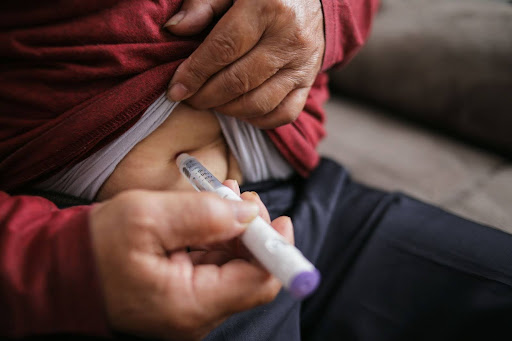
If you’ve been prescribed a GLP-1 agonist like semaglutide for diabetes or weight loss, you likely have a lot of questions about how to use it effectively. Understanding how often to take your GLP-1, where to inject it, and what to expect in terms of results can make the treatment process much easier. Here’s a comprehensive guide to answer all of your questions.
How Often Do I Need to Take GLP-1s?
GLP-1 medications like semaglutide are generally administered on a weekly basis. The most common treatment regimen for semaglutide (Wegovy or Ozempic) is a once-weekly injection, which is more convenient for many people compared to daily medication schedules.
However, the frequency of injection can vary depending on the specific GLP-1 medication you’re prescribed. Some formulations may require daily injections, but most newer GLP-1s have transitioned to a weekly dosing schedule to enhance ease of use.
Is It a Daily, Weekly, or Monthly Injection?
Most GLP-1 agonists, such as Ozempic and Wegovy, are designed for weekly injections. You’ll take the injection once a week at a time that works for you. Other GLP-1 agonists, like liraglutide (Victoza), are taken daily.
The convenience of weekly injections makes the treatment easier to manage for many patients, as it helps avoid daily routines and ensures better adherence to the treatment plan.
Where Do I Inject It?
GLP-1 injections are typically given in the subcutaneous layer (just under the skin). You can inject the medication into:
- The abdomen (stomach area)
- The thigh (upper leg)
- The upper arm (though less common)
Your healthcare provider will demonstrate the correct technique during your first visit and provide training on rotating your injection sites to avoid irritation.
Does the Injection Hurt?
The injection process for GLP-1s is generally painless for most people. These injections are relatively small and thin, and many people don’t experience significant discomfort. However, some may feel a mild sting or irritation at the injection site, especially when first starting.
To make the injection as comfortable as possible:
- Choose an area with enough fat to avoid hitting muscle or bone.
- Rotate the injection sites to reduce irritation.
- Use the pre-filled pens or syringes provided, as they are designed for ease of use.
Can I Inject It Myself?
Yes, you can inject GLP-1s yourself. The injection process is simple, and most patients feel confident administering their own doses after receiving proper training from a healthcare professional. The pre-filled pens make it easy to administer the injection without needing extra medical equipment.
Be sure to follow the instructions carefully regarding injection techniques, and don’t hesitate to ask your doctor or nurse for a demonstration before you try it on your own.
What Time of Day Should I Take It?
While the timing of your injection doesn’t matter much, it is helpful to take it on the same day each week. Whether you inject it in the morning, afternoon, or evening, just make sure you stick to a consistent schedule to avoid missing doses.
Some people find it easier to remember if they tie their injection time to another weekly routine, like taking their medication on the same day each week or pairing it with an easy-to-remember event, such as a weekly appointment or task.
Should I Take It with Food or on an Empty Stomach?
You can take GLP-1 agonists with or without food; there’s no strict requirement to take them with meals. However, if you experience nausea or digestive discomfort, eating a light snack before your injection may help ease those symptoms.
In general, semaglutide (and similar drugs) are most effective when incorporated into your regular schedule. Stick to a routine that works for your lifestyle.
What Happens if I Miss a Dose?
If you miss a dose of your GLP-1 medication:
- Take it as soon as you remember, but only if you’re within 5 days of your missed dose.
- If more than 5 days have passed, skip the missed dose and continue with your next scheduled dose.
Never double the dose to make up for a missed one. Overdosing can increase the risk of side effects. If you miss a dose more than once, consult your healthcare provider for guidance.
Can I Change My Injection Day?
Yes, you can adjust your injection day as long as you keep the weekly schedule. For example, if you usually inject on Sunday but need to switch to Wednesday, you can. However, make sure to inject it at least 2 days after your previous dose.
If you switch your day, it may take a little while to adjust your routine, but this is entirely manageable. Just be sure to follow the weekly schedule and keep your injections consistent.
Why Does the Dose Start Low and Increase Slowly?
Your healthcare provider will start you on a low dose of GLP-1s to help minimise side effects, such as nausea and digestive discomfort. The dose will gradually increase over the first few weeks or months, allowing your body to adjust to the medication.
Starting with a low dose also gives you the chance to monitor how your body responds, ensuring that the treatment is well-tolerated before increasing the dosage.
How Long Does It Take to Start Working?
GLP-1 medications like semaglutide start to show effects relatively quickly. For many people:
- Blood sugar control improvements can be seen within the first week.
- Appetite reduction and weight loss usually begin within 4–6 weeks after starting the medication.
However, the full effects, especially in terms of weight loss, may take 12–16 weeks to be fully visible, depending on how your body responds.
When Will I Start Seeing Weight Loss?
Most people begin to see weight loss within 4–6 weeks of starting GLP-1 treatment. The amount of weight loss depends on several factors, including your adherence to the medication, lifestyle habits, and individual body response.
On average, people experience 10-15% weight loss after 6 months on semaglutide. This gradual weight loss is sustainable over time, especially when combined with dietary changes and regular exercise.
When Will My Appetite Reduce?
Many users report a noticeable reduction in appetite within the first 1–2 weeks of starting a GLP-1 agonist. This appetite reduction happens as the medication starts to act on the brain and stomach to decrease hunger signals.
It’s important to note that appetite suppression is gradual and can vary by individual. Some people may notice a significant reduction right away, while others may experience a more subtle change over time.
Can I Stop and Restart Later?
While it’s not recommended to stop and restart treatment without consulting your healthcare provider, GLP-1 medications can be restarted if necessary. However, when you stop, some of the weight loss benefits may be reversed, and appetite levels might return.
If you’re considering stopping treatment or taking a break, discuss your options with your doctor. They may suggest an alternative or help you develop a long-term plan for managing your weight or blood sugar levels.
Conclusion: Managing Your GLP-1 Treatment
GLP-1 agonists are powerful tools for managing diabetes and supporting weight loss. The once-weekly injections, ease of use, and gradual dosing increase make them a convenient and effective option for many patients. Remember, consistency is key, and working closely with your healthcare provider will ensure the best results.
If you have any concerns or questions about your GLP-1 treatment, don’t hesitate to reach out to your doctor. They’ll provide personalised advice based on your health goals and medical history.