



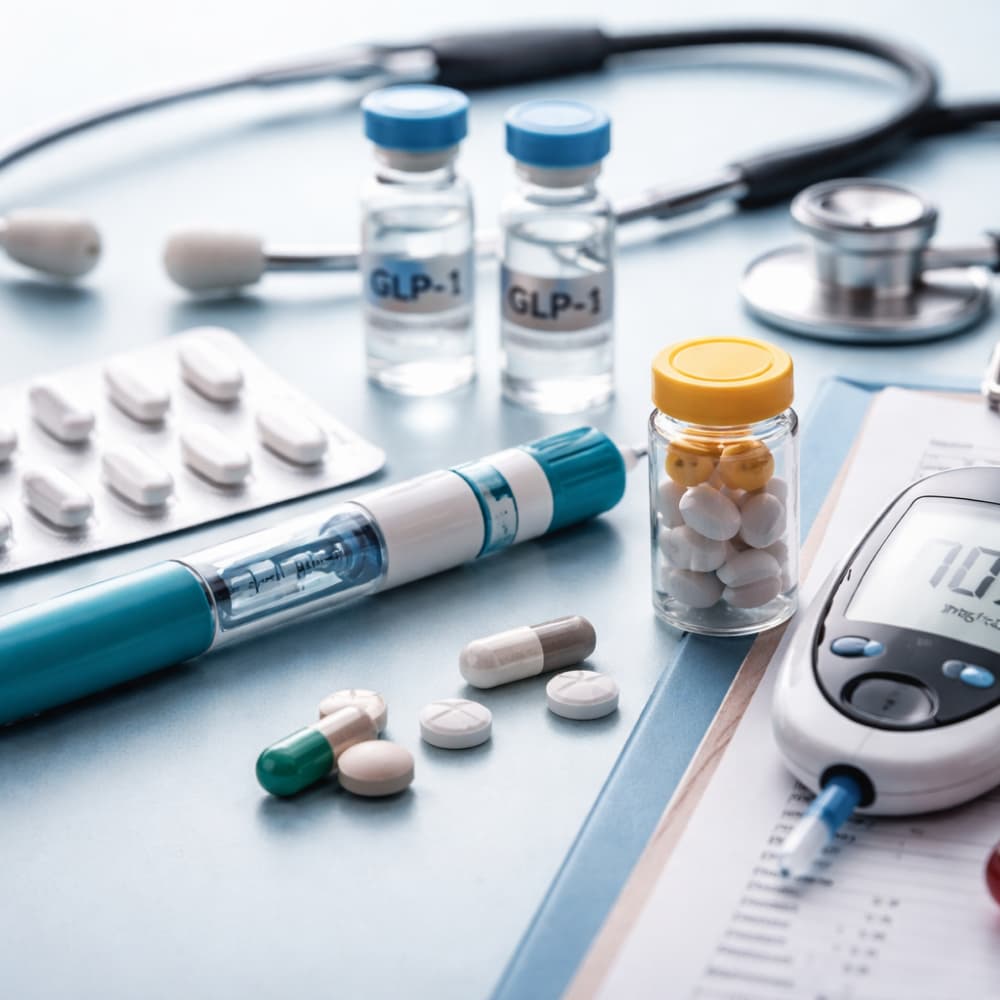
GLP-1 medications like semaglutide have become powerful tools for managing weight and type 2 diabetes. But before you start, and while you’re on treatment, proper monitoring matters.
GLP-1 therapy is not just about taking an injection. It is about tracking your metabolic health safely and intelligently.
If you’re wondering what tests you need, how often to see your doctor, and what symptoms to watch for, this guide walks you through everything step by step.
Before starting a GLP-1 medication, your doctor will usually want a baseline picture of your metabolic health. These tests help determine whether the medication is appropriate and safe for you.
These confirm your diabetes or prediabetes status and give a starting point for tracking improvement.
GLP-1s are generally safe in many patients with kidney disease, but kidney function still needs to be assessed before starting.
Since obesity and diabetes are often associated with fatty liver, these markers help evaluate liver health.
GLP-1s can improve lipid parameters over time, so having a baseline is helpful.
GLP-1 medications are not recommended in people with a personal or family history of medullary thyroid cancer or MEN2. Your doctor will screen for this during the consultation.
These serve as baseline markers to measure progress.
Once you start treatment, monitoring does not need to be excessive, but it should be consistent
If you experience symptoms such as persistent vomiting or dehydration, your doctor may check kidney function sooner.
Monitoring frequency varies based on your overall health, dose, and response.
In the early phase, follow-up is usually more frequent.
Appointments every 4 to 6 weeks are common, especially during dose escalation.
Visits every 3 months are typical for ongoing monitoring.
If you are using GLP-1s primarily for weight management and do not have diabetes, your visits may focus more on weight trends, tolerance, and lifestyle adherence.
Some side effects are expected during the first few weeks. Others require immediate attention.
These often improve with time and gradual dose increases.
Severe abdominal pain that radiates to the back should be reported urgently, as it may signal pancreatitis.
When in doubt, call your doctor.
Yes. Tracking gives you control and insight.
Weigh yourself once per week, not daily. Daily fluctuations can be misleading.
Look for trends over weeks, not days.
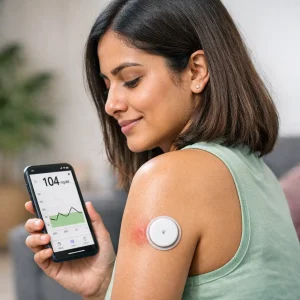
If you have diabetes:
If you do not have diabetes, routine glucose checks are usually unnecessary unless advised.
This is often overlooked but very useful.
Ask yourself:
Changes in appetite often appear before visible weight loss.
Tracking hunger levels can help your doctor adjust your dose appropriately.
GLP-1 medications are started at a low dose and increased gradually. This is called titration.
Dose increases usually happen every 4 weeks if:
The goal is to reach an effective dose without overwhelming your digestive system.
Dose reduction may be necessary if:
In some cases, staying at a slightly lower dose long-term may be better than pushing to the highest dose.
Treatment should always be individualised.
GLP-1 therapy is not just about weight loss. It is about improving metabolic health safely.
Before starting:
During treatment:
GLP-1s are powerful tools, but they work best when combined with structured medical supervision and strong lifestyle habits.
If you approach treatment as a partnership between medication, monitoring, and behaviour, your outcomes will be stronger and more sustainable.

Dr. Devina Aswal turns structure into strength, leading research with empathy and precision. Her work bridges science and collaboration, ensuring every project delivers real-world impact. Calm, thoughtful, and steady, she inspires progress through quiet confidence.
From personalised programs to smart devices and science-backed supplements. GoodFlip supports you with everything you need to take charge of your metabolism.