

If you’ve been researching GLP-1 medicines for diabetes or weight loss, you’ve probably seen these names everywhere: Ozempic, Wegovy, Mounjaro, Rybelsus, Saxenda.
They may sound similar, and some even contain the same ingredient, but they are not the same medicine. They differ in active ingredients, dosage, approval, and how they’re taken.
Let’s break it down in simple terms.
First, What Do These Medicines Have in Common?
Most of these medicines act on hormones that regulate blood sugar, appetite, stomach emptying, and feelings of fullness. GLP-1 receptor agonists mimic a natural gut hormone that helps control glucose and appetite.
However, one of these drugs works slightly differently; we’ll explain below.
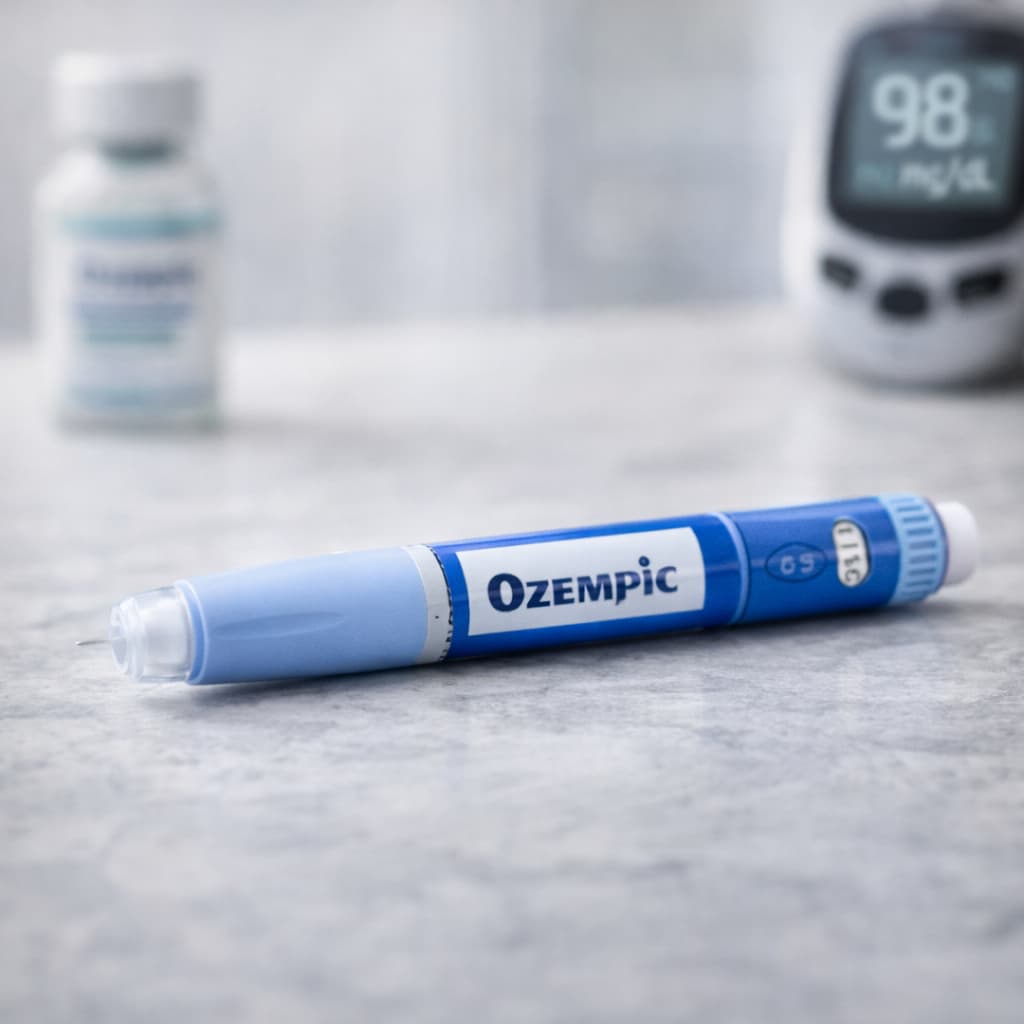
- Ozempic
- Active ingredient: Semaglutide
- Form: Weekly injection
- Approved for: Type 2 diabetes
Ozempic helps lower blood sugar and has been shown to reduce cardiovascular risk in people with type 2 diabetes. Although weight loss is common with Ozempic, it is approved for diabetes, not specifically for obesity.
Large clinical trials (SUSTAIN program) showed significant reductions in HbA1c and body weight with semaglutide.
- Wegovy
- Active ingredient: Semaglutide
- Form: Weekly injection
- Approved for: Chronic weight management
Here’s where confusion often happens.
Wegovy and Ozempic contain the same molecule, which is semaglutide, but at different doses and for different approvals. Wegovy is specifically approved for obesity and overweight adults with weight-related conditions.
Clinical trials (STEP trials) showed average weight loss of around 15% in some participants when combined with lifestyle changes.
Simple difference:
- Ozempic = Diabetes
- Wegovy = Weight loss
- Same drug, different purposes and doses.
- Rybelsus
- Active ingredient: Semaglutide
- Form: Oral tablet (daily)
- Approved for: Type 2 diabetes
Rybelsus is the first oral GLP-1 medication. Unlike Ozempic and Wegovy (injections), Rybelsus is a pill.
However, it must be:
- Taken on an empty stomach
- With a small amount of water
- At least 30 minutes before food
It lowers blood sugar and can support modest weight loss.
Simple difference:
- Rybelsus = Semaglutide in tablet form for diabetes.
- Saxenda
- Active ingredient: Liraglutide
- Form: Daily injection
- Approved for: Chronic weight management
Saxenda is an older GLP-1 medicine used for weight loss. It works similarly to semaglutide but requires daily injections and typically results in less weight loss compared to semaglutide.
It remains an option for patients who may not tolerate other GLP-1 medicines.
- Mounjaro
- Active ingredient: Tirzepatide
- Form: Weekly injection
- Approved for: Type 2 diabetes (weight indication expanding in some regions)
Mounjaro is slightly different. It is not just a GLP-1 receptor agonist. It is a dual GIP and GLP-1 receptor agonist. This means it acts on two gut hormones:
- GLP-1
- GIP (glucose-dependent insulinotropic polypeptide)
Clinical trials (SURPASS trials) showed strong blood sugar reduction and greater average weight loss compared to semaglutide in some studies. Because of this dual action, Mounjaro has generated significant attention in obesity treatment discussions.
Quick Comparison Table
Brand Name | Active Ingredient | Injection or Pill | Primary Approval |
Ozempic | Semaglutide | Weekly injection | Type 2 Diabetes |
Wegovy | Semaglutide | Weekly injection | Weight management |
Rybelsus | Semaglutide | Daily tablet | Type 2 Diabetes |
Saxenda | Liraglutide | Daily injection | Weight management |
Mounjaro | Tirzepatide | Weekly injection | Type 2 Diabetes |
Key Differences Explained Simply
- Same Drug, Different Branding: Ozempic and Wegovy both contain semaglutide but are approved for different conditions and doses.
- Injection vs Tablet: Rybelsus is oral. The others are injections.
- Single vs Dual Hormone Action: Most are GLP-1 medicines. Mounjaro targets both GLP-1 and GIP.
- Weight Loss Differences: Studies published in NEJM suggest:
- Semaglutide (Wegovy dose) can produce ~15% weight loss in trials
- Tirzepatide (Mounjaro) showed even higher average reductions in some studies
*Results vary by individual.
Are They Safe?
According to NIH and Mayo Clinic, common side effects of GLP-1 medicines include:
- Nausea
- Vomiting
- Diarrhea
- Constipation
They are not recommended for:
- People with certain thyroid cancers
- History of pancreatitis (in some cases)
- During pregnancy
Treatment should always be supervised by a healthcare provider.
What About ZYOG1? A Next-Generation Oral GLP-1 in Development
As we’ve seen, most current GLP-1 medicines fall into two categories:
- Weekly or daily injections (Ozempic, Wegovy, Saxenda, Mounjaro)
- Oral semaglutide tablets (Rybelsus)
While these options have improved diabetes and obesity care significantly, one common concern remains: Long-term convenience and adherence
Many patients prefer avoiding injections. Even oral semaglutide requires strict timing rules, which can make daily use challenging. This is where newer research is focused.
According to the overview, ZYOG1 is a novel, orally administered GLP-1 receptor agonist currently under development.
What makes ZYOG1 different?
Based on available development information:
- Designed as an oral GLP-1 (no injections)
- Being developed for type 2 diabetes and obesity
- Aims to improve glucose control and support weight loss
- Early studies suggest potential for a better tolerability profile (e.g., reduced nausea in preclinical research)
The goal of next-generation oral GLP-1 therapies like ZYOG1 is to make treatment easier to take, more convenient long-term, and accessible to patients hesitant about injectables.
The future of GLP-1 care may not just be about stronger weight loss or glucose reduction but also about ease, comfort, and sustainable long-term use.
GLP-1 medicines such as Ozempic, Wegovy, Rybelsus, Saxenda, and Mounjaro have transformed diabetes and obesity treatment. While they share similar hormone pathways, they differ in ingredients, dosing schedules, and approvals.
As science advances, newer oral options, including investigational therapies like ZYOG1, are being developed to improve convenience and patient experience.
The best treatment choice always depends on individual health goals and medical guidance. But one thing is clear: GLP-1 therapy is entering a new phase, one focused not just on effectiveness, but also on simplicity.