

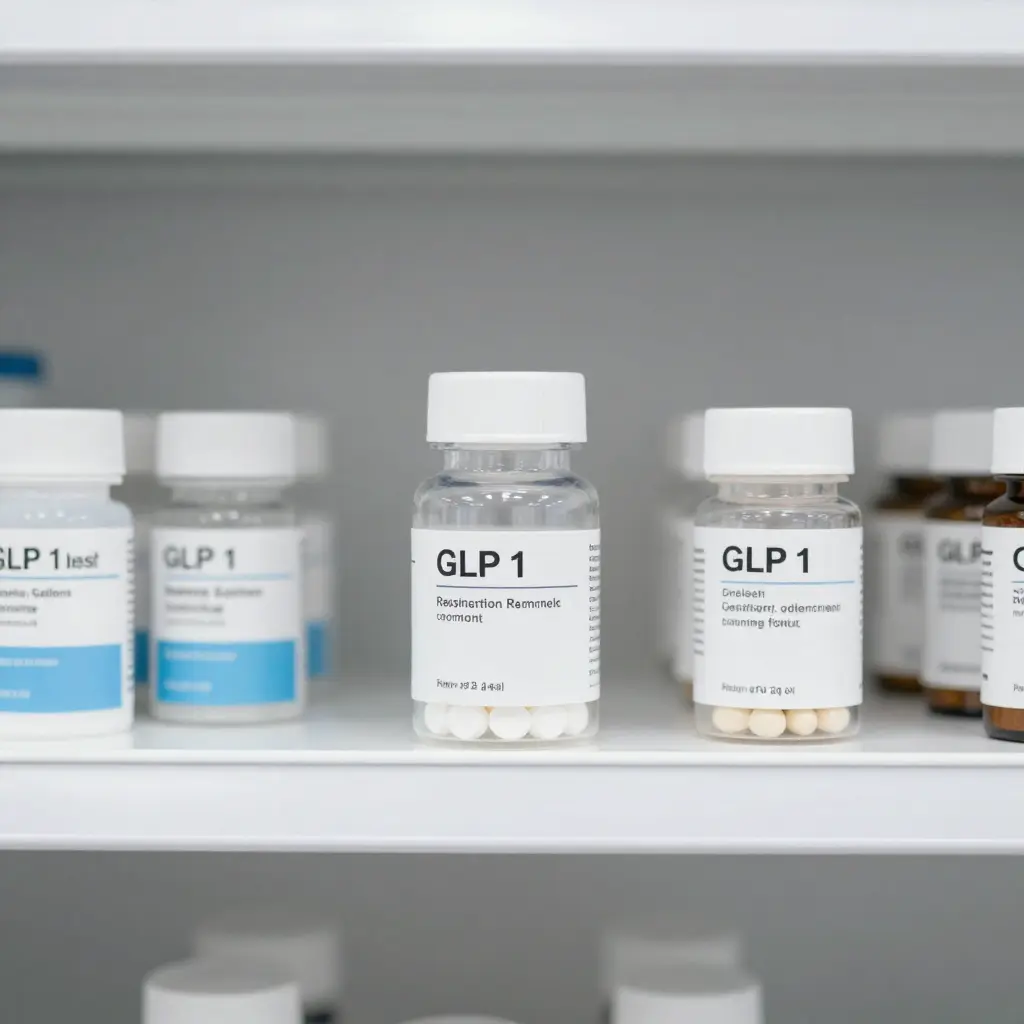
GLP-1 medicines (Glucagon-Like Peptide-1 receptor agonists) are a class of drugs used to manage Type 2 diabetes and, increasingly, obesity and weight-related metabolic conditions. These medicines work by mimicking a natural hormone in the body that helps regulate blood sugar, appetite, and digestion.
Over the last few years, GLP-1 medicines have evolved rapidly from daily injections to once-weekly injections and even oral tablets. Here’s a simple breakdown of the main GLP-1 medicines available globally and in India.
What Are GLP-1 Medicines?
GLP-1 stands for glucagon-like peptide-1, a hormone naturally released by the gut after eating. This hormone helps regulate blood sugar and appetite. GLP-1 medicines work by copying this natural effect.
According to the National Institutes of Health (NIH) and Mayo Clinic, GLP-1 receptor agonists help by:
- Increasing insulin release when blood sugar is high
- Reducing glucagon, which lowers excess blood sugar
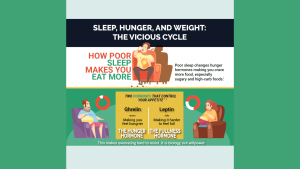
- Slowing stomach emptying
- Reducing appetite and increasing feelings of fullness
These effects make GLP-1 medicines useful for:
- Type 2 diabetes
- Obesity and weight management
- Reducing cardiovascular risk in people with diabetes
Injectable GLP-1 Medicines
Most GLP-1 medicines currently in use are injectable, taken either daily or weekly.
Semaglutide (Weekly Injection)
Semaglutide is one of the most widely used GLP-1 medicines worldwide.
What it is used for
- Type 2 diabetes
- Long-term weight management
Why is it prescribed
- Taken once a week
- Strong blood sugar control
- Significant weight loss benefits
- Proven heart-protection benefits in people with diabetes
Large clinical studies published in The New England Journal of Medicine (NEJM) showed that semaglutide significantly reduced HbA1c levels and body weight compared to placebo.
Liraglutide (Daily Injection)
Liraglutide is an earlier GLP-1 medicine with long-term safety data.
Key points
- Taken once daily
- Improves blood sugar control
- Helps with moderate weight loss
According to the Cleveland Clinic, liraglutide is effective, but daily injections can make long-term use harder for some patients.
Dulaglutide (Weekly Injection)
Dulaglutide is another weekly injectable GLP-1 option.
Key points
- Once-weekly dosing
- Easy-to-use injection pen
- Effective glucose-lowering
- Modest weight loss compared to semaglutide
Exenatide
Exenatide was one of the first GLP-1 medicines to be approved.
Key points
- Available as a twice-daily or weekly injection
- Used less often today due to newer options with better convenience
Oral GLP-1 Medicines: A New Direction
One of the biggest challenges with GLP-1 therapy has been injections. This has led to the development of oral alternatives.
Oral Semaglutide
Oral semaglutide was the first GLP-1 medicine available as a tablet.
Important details
- Taken once daily
- Must be taken on an empty stomach
- Requires strict timing to work properly
According to the Mayo Clinic, oral semaglutide is effective but needs careful adherence to dosing instructions to achieve the same benefits as injections.
Next-Generation Oral GLP-1 Medicines
Research is now focused on developing new oral GLP-1 medicines that aim to:
- Remove the need for injections
- Improve convenience
- Reduce common side effects like nausea
As outlined in the Zydus project document, novel oral GLP-1 candidates are being developed to make long-term treatment easier and more patient-friendly, especially for people hesitant about injections.
Summary of GLP-1 Medicine Options
Today, GLP-1 medicines fall into four broad groups:
- Daily injectable GLP-1 medicines
- Weekly injectable GLP-1 medicines
- Oral GLP-1 tablets
- Oral GLP-1 medicines under development
Each option differs in dosing, convenience, and suitability, which is why doctors individualise treatment plans.
Why GLP-1 Medicines Matter
According to the NIH and Cleveland Clinic, GLP-1 medicines are important because they:
- Treat both blood sugar and weight together
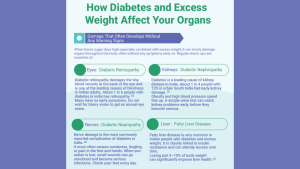
- Help reduce long-term diabetes complications
- Support sustained metabolic improvement
Their dual effect on glucose control and appetite makes them different from older diabetes medications.
Key Takeaways
- GLP-1 medicines mimic a natural gut hormone
- Most current options are injectable
- Oral GLP-1 medicines are emerging as a major advancement
- Newer oral options aim to improve ease and adherence
- Treatment choice depends on individual health needs
GLP-1 medicines are changing how diabetes and obesity are managed. From weekly injections to newer oral options, the focus is moving toward effective and patient-friendly treatment. As research continues, GLP-1 therapy is expected to become even more accessible and widely used.