Mindfulness and Metabolism: The Science Behind the Calm
How Stress Impacts Your Metabolic Health?
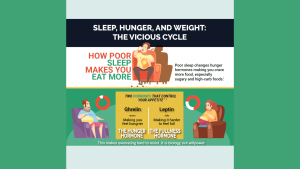
Chronic stress increases cortisol, which raises blood sugar and makes your body hold on to fat, especially around the belly. It also increases cravings and disrupts insulin sensitivity, making energy crashes and fatigue more likely.
How Mindfulness Reverses That?
Mindfulness reduces cortisol, improves insulin sensitivity, and restores hormonal balance. It slows your breathing and heart rate, signalling safety to your nervous system.
In short, mindfulness helps your body shift from “protect mode” to “repair mode.”
And that shift is where better metabolism begins.
10-Minute Mindfulness: How to Begin
Mindfulness is not about emptying your thoughts or sitting in silence for hours. It’s about awareness, paying attention to what’s happening in the present moment without judgment. You only need ten minutes a day to begin. Try one of these simple entry points:
- Mindful Breathing
- Sit comfortably with your back straight.
- Inhale slowly for 4 counts, exhale for 6.
- Focus on the rise and fall of your breath.
- When your mind drifts, gently bring it back.
Start with 10 breaths in the morning or during a midday break.
- Body Scan
Bring your attention to each part of your body, from your toes up to your head. Notice any tightness, warmth, or tension without trying to change it. This awareness improves your connection to your physical self, something many of us lose in our daily rush.
- Mindful Eating
Before your first bite, pause. Look at your food, smell it, and chew slowly. This helps you tune into hunger and fullness cues, leading to better digestion and natural portion control.
Stress, Cortisol, and Mindful Breathing
When you are stressed, your body enters fight or flight, a survival mode designed to help you react quickly to danger. Your heart rate rises, breathing becomes shallow, and blood sugar spikes to provide quick energy.
The problem? Today’s stress isn’t a wild animal; it’s traffic, deadlines, and constant notifications. And because those stressors never really end, your cortisol stays elevated all day.
Mindful breathing is the simplest way to interrupt that pattern. It activates the parasympathetic nervous system, also called the “rest and digest” system. Within minutes, breathing slowly can:
Try this quick exercise right now: Inhale for 4 seconds, hold for 2, exhale for 6. Do this five times. You’ll notice your body relax almost immediately.
Why Mindfulness Improves Sleep and Digestion?
Your gut and brain are in constant communication through the gut-brain axis. Stress disturbs that connection, leading to indigestion, bloating, and irregular appetite.
Mindfulness helps repair that communication. When your body feels safe and calm, digestion becomes smoother and more efficient.
Before Meals
Take three slow breaths before eating. It signals your brain that it’s time to digest instead of react.
Before Bed
Try a short mindfulness ritual to ease your transition into sleep:
- Dim the lights 30 minutes before bedtime.
- Sit or lie down, breathe deeply, and scan your body.
- Let go of the day’s thoughts as you exhale.
This practice lowers evening cortisol and helps you fall asleep faster, improving metabolism, recovery, and hormone balance overnight.

Everyday Mindfulness: Simple Ways to Practice Awareness
Mindfulness works best when it becomes part of your daily rhythm. Here are easy, realistic ways to integrate it into a busy schedule:
Mindful Walking: Turn your short walks into mental resets. Feel your feet touching the ground, the air on your skin, or the sound of your breath. Even a 5-minute mindful walk between meetings can reduce stress hormones.
Mindful Eating at Work: When eating lunch, step away from screens. Notice textures, flavours, and how full you feel. This strengthens your connection with your body’s hunger signals and helps prevent overeating.
Mindful Breathing Breaks: Set a reminder every few hours to pause for three deep breaths. You’ll be surprised how much calmer and sharper you feel afterwards.
Mindful Mornings: Instead of scrolling your phone the moment you wake up, take a minute to stretch and breathe. Starting the day with awareness sets the tone for the rest of it.
Mindful Evenings: Journal about three things you are grateful for. Gratitude activates brain regions linked to calmness and emotional balance, reducing bedtime anxiety.
How Mindfulness Changes Your Biology?
Effect | Mindfulness Response | Metabolic Benefit |
|---|
| Cortisol | Reduced stress hormone levels | Better insulin sensitivity and fat metabolism |
| Insulin Sensitivity | Improved cellular response | Stable blood sugar, fewer cravings |
| Heart Rate & Blood Pressure | Decreased with regular practice | Better circulation and cardiovascular health |
| Digestion | Activated “rest and digest” mode | Improved nutrient absorption |
| Sleep Quality | Enhanced melatonin and relaxation | Better recovery and metabolism overnight |
Start with 10 Minutes Today
Mindfulness doesn’t demand a yoga mat, candles, or silence. It just asks for your attention. Whether it’s breathing before meals, walking between calls, or slowing down before sleep, each mindful moment rewires your body’s response to stress.
Start with 10 minutes today. Notice how your body feels lighter, calmer, and clearer. That sense of calm is not just mental, it’s metabolic.