

In most Indian homes, jaggery (gur) is seen as the “healthy sugar.” From winter laddoos to daily chai, it’s a staple in our kitchens. Many believe jaggery is safe for people with diabetes because it’s natural and less processed than white sugar.
But is jaggery really good for diabetes? Or is it just another form of sugar wearing a healthy mask?
In this blog, we’ll break down the nutritional facts, compare jaggery with sugar, honey, and artificial sweeteners, and uncover whether diabetics can actually consume it. By the end, you’ll have a clear, science-backed answer to the question: Is jaggery safe for diabetes?
What Exactly Is Jaggery?
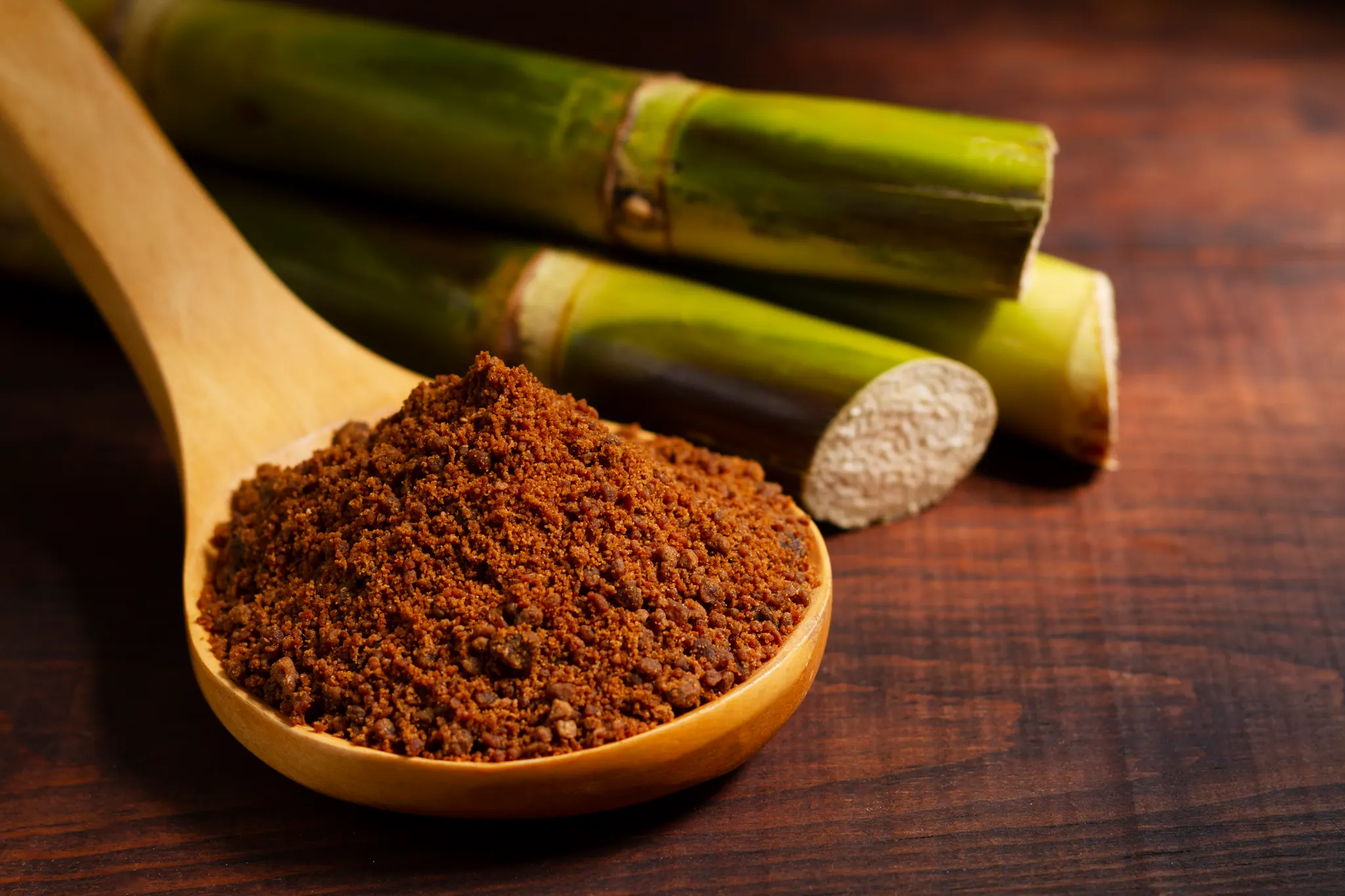
Jaggery is an unrefined sweetener made by boiling sugarcane juice or palm sap into a thick, dark, concentrated block.
- Composition: About 65–85% sucrose, plus 10–15% glucose and fructose.
- Calories: Roughly 380 kcal per 100 grams – almost identical to white sugar.
- Nutrients: Small amounts of iron, calcium, potassium, and magnesium.
This makes jaggery slightly more nutritious than white sugar, but the keyword here is slightly. You would have to eat an unhealthy amount of jaggery to get any meaningful mineral benefit.
Read More: Is Pomegranate ( Anaar ) Good for Diabetes?
Glycemic Index of Jaggery: Why It Matters for Diabetes?
The glycemic index (GI) is a measure of how quickly foods raise blood sugar levels.
- Jaggery GI: ~84 (very high)
- White Sugar GI: ~65 (medium-high)
- Honey GI: ~58 (medium)
Since jaggery’s GI is higher than sugar, it can actually cause a faster blood sugar spike. For someone with diabetes, this means sharp rises in glucose followed by equally sharp drops – a pattern that is dangerous for long-term management.
Key point: Jaggery is not a low-GI sweetener. It acts almost like glucose in the body.
Read More: Is Papaya Good for Diabetes?
Jaggery vs. Sugar: Which Is Better for Diabetics?
Let’s compare jaggery and sugar side by side.
| Factor | Jaggery (Gur) | White Sugar |
|---|---|---|
| Calories (per 100g) | ~380 kcal | ~385 kcal |
| Carbohydrates | ~98g | ~100g |
| Nutrients | Trace minerals (iron, potassium, calcium) | None (“empty calories”) |
| Glycemic Index | ~84 (high) | ~65 (medium-high) |
| Effect on Blood Sugar | Rapid spike | Rapid spike |
Verdict: Nutrient-wise, jaggery is marginally better. But for blood sugar control, both are harmful. For people with diabetes, jaggery offers no advantage over sugar.

Jaggery vs. Honey vs. Artificial Sweeteners
Indians often look for “healthier” alternatives to sugar. Here’s how common options compare:
| Sweetener | Glycemic Index | Main Components | Suitability for Diabetics |
|---|---|---|---|
| Jaggery | ~84 (high) | Sucrose, glucose, fructose | ❌ Not recommended |
| White Sugar | ~65 | Pure sucrose | ❌ Not recommended |
| Honey | ~58 (medium) | Fructose + glucose | ⚠️ Limited use only |
| Stevia, Sucralose, etc. | ~0 | Zero-calorie compounds | ✅ Safer choice |
Takeaway: If you have diabetes, artificial or natural zero-calorie sweeteners (like stevia) are far safer than jaggery or honey.
Read More: 5 Benefits of Continuous Glucose Monitoring for Non Diabetics
Why Jaggery Is Risky for People with Diabetes?
Here are the main reasons jaggery is not advisable for diabetics:
- High Glycemic Index – Causes immediate spikes in blood glucose.
- Similar Calories to Sugar – Nearly identical energy and carb content.
- Insulin Spikes – Triggers a strong insulin response, which worsens insulin resistance.
- Micronutrient “Myth” – Trace minerals in jaggery are too small to offset the sugar load.
- Overconsumption Risk – Many consume more jaggery, thinking it’s healthy, which backfires.
Read More: Glucometer vs CGM for Tracking Blood Sugar – Which is Right for You?
Can a Diabetic Ever Eat Jaggery?
The harsh truth: Jaggery is not a diabetic-friendly food.
That said, if your diabetes is well-controlled and you absolutely want to indulge:
- Limit it to a very small portion (like 1 teaspoon in tea).
- Pair it with fibre-rich foods to slow absorption.
- Always count it in your daily carbohydrate intake.
- Check your glucose after consuming jaggery to see how your body responds.
Doctors recommend that diabetics ideally avoid jaggery, but occasional micro-portions may be tolerated if carefully managed.
Read More: Sugar Testing Machines Without Blood: How Non-Invasive Glucose Testing Works?
Common Myths About Jaggery and Diabetes
Let’s bust some popular myths:
“Jaggery is natural, so it’s healthy.”
❌ Natural doesn’t mean diabetic-safe. Poison ivy is natural, too!
“Jaggery is better than sugar for diabetics.”
❌ Both raise blood glucose quickly. No real advantage.
“Organic jaggery or palm jaggery is safe for diabetics.”
❌ All types of jaggery have high sugar content and spike blood glucose.
“Jaggery can replace sugar in a diabetic diet.”
❌ Not true. It must be treated like sugar.
What Do Experts Say?
Leading Indian endocrinologists and dietitians agree:
- Dr Anoop Misra (Fortis C-DOC): “Jaggery is essentially sugar with some minerals. For diabetics, it is not recommended.”
- Dr Om Lakhani (Endocrinologist): In his “Diabetes Mythbusters” YouTube series, he explains that jaggery raises blood glucose the same way as sugar.
- Dr Cyriac Abby Philips (TheLiverDoc): On Twitter, he bluntly states: “Jaggery is no better than sugar or honey.”
Nutritionist Rujuta Diwekar, who often promotes traditional Indian foods, also reminds followers: “Jaggery is still sugar. Use it in time-tested ways and in moderation.”
Public Sentiment in India About Jaggery
The conversation around jaggery and diabetes in India shows mixed feelings:
- Positive sentiment: Many believe jaggery is a “healthy sugar” due to Ayurveda and tradition.
- Negative sentiment: Doctors, diabetics, and informed users warn that it is as harmful as sugar.
- Neutral sentiment: Some say small, controlled amounts are okay – but not a free pass.
On platforms like YouTube and Instagram, wellness influencers often glorify jaggery, while medical voices on Twitter and blogs push back with scientific evidence.
Healthier Alternatives to Jaggery for Diabetics
If you crave sweetness, here are some safer swaps:
- Stevia: Plant-based, zero calories, doesn’t spike sugar.
- Sucralose / Aspartame: Artificial sweeteners, widely tested, safe in moderation.
- Monk Fruit Extract (Luo Han Guo): Natural, zero-calorie, though less common in India.
- Whole Fruits: Get sweetness with fibre and nutrients, e.g. apple, orange, or berries.2
- Spices: Cinnamon, cardamom, and nutmeg add natural sweetness to dishes.
Key Takeaways
- Jaggery (gur) has a GI of ~84, higher than sugar, and spikes blood sugar.
- It contains trace minerals, but not enough to offset its high sugar content.
- For people with diabetes, jaggery is not a safe substitute for sugar.
- If consumed, it must be very small and occasional, never regular.
- Better options: Stevia, sucralose, monk fruit, or whole fruits.
Conclusion
So, is jaggery good for diabetes?
The clear answer: No.
Jaggery may be less processed and richer in nutrients than white sugar, but for people with diabetes, it still behaves like sugar inside the body. It raises blood sugar quickly, fuels insulin spikes, and adds empty calories.
If you’re managing diabetes, think of jaggery the same way you think of sugar – an indulgence, not a health food. The safest path is to limit all added sugars and focus on natural, low-GI foods that support steady blood sugar control.