

Polycystic Ovary Syndrome (PCOS) is not a one-size-fits-all condition. It evolves with your hormones, metabolism, and life stage. Understanding how PCOS in teens, PCOS in 20s, PCOS in 30s, and PCOS in 40s differ can help you manage symptoms and protect your long-term health.
PCOS in Teens
Why Diagnosis Is Tricky
Hormonal changes during puberty can mimic PCOS symptoms, making diagnosis difficult. The 2023 International Evidence-Based Guideline for PCOS in Adolescents recommends diagnosing PCOS in teens only if they have:
- Irregular or absent periods for more than two years after their first period
- Signs of excess androgens, such as acne, hirsutism, or high testosterone
Ultrasound and AMH levels should not be used for diagnosis in adolescents, as they are unreliable before full reproductive maturity.
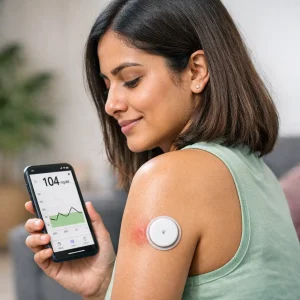
Read More: Glucometer vs CGM for Tracking Blood Sugar – Which is Right for You?
Common Signs in Teens
- Irregular or missed periods
- Acne, oily skin, or unwanted hair growth
- Sudden or early weight gain
- Early signs of insulin resistance
Research Insights
- A meta-analysis found that PCOS in adolescents affects about 4 to 5 percent, compared with about 8 percent in adults, showing that PCOS is often underdiagnosed in teens.
- A 12-week aerobic exercise program improved testosterone levels, cholesterol, and BMI in adolescent girls with PCOS, confirming the benefit of early lifestyle interventions.
Read More: 5 Benefits of Continuous Glucose Monitoring for Non Diabetics
Teen Treatment Focus
- Build healthy habits early with consistent exercise and a balanced, low-glycemic diet.
- Use low-dose birth control pills to regulate cycles and metformin for insulin sensitivity when needed.
- Early awareness and support can prevent long-term fertility and metabolic complications.
PCOS in 20s
Your 20s are often when PCOS becomes most noticeable, especially with fertility, skin, or weight concerns.
What Changes
- Irregular ovulation can make conception difficult.
- Insulin resistance can worsen, affecting metabolism and energy levels.
- Hormonal imbalances may contribute to anxiety and mood swings.
Research Insights
- A network meta-analysis found that combining GLP-1 receptor agonists (such as liraglutide) with standard therapy improved BMI, waist circumference, and insulin resistance compared to standard therapy alone.
- Lifestyle changes remain the most effective long-term treatment. Regular movement, improved sleep, and nutrition have been linked with better ovulation and hormone balance.
Read More: Sugar Testing Machines Without Blood: How Non-Invasive Glucose Testing Works?
Management Tips
- Track ovulation and menstrual cycles with an app or basal temperature monitoring.
- Use metformin or inositol-based supplements to support insulin control.
- Include resistance and strength training to improve metabolism and mood.
PCOS in 30s
As metabolism slows, developing PCOS in 30s or managing an existing diagnosis can become more challenging.
What to Expect?
- Weight and cholesterol levels can increase despite a healthy lifestyle.
- Blood sugar may fluctuate more easily.
- Fertility concerns may arise as ovarian reserve naturally declines.
Research Insights
- Studies show that women with PCOS in their 30s have higher risks of insulin resistance, glucose intolerance, and dyslipidemia compared with women without PCOS.
- Combining lifestyle strategies with GLP-1 agonists or inositol supplements can improve metabolic outcomes more effectively than either treatment alone.
Management Focus
- Include strength training and resistance exercises to preserve lean muscle mass.
- Monitor fasting glucose, HbA1c, and cholesterol levels regularly.
- If planning pregnancy, consider early fertility assessment or consultation.
PCOS in 40s
In your 40s, hormonal changes linked to perimenopause interact with PCOS. Estrogen and progesterone fluctuations can alter symptom patterns.
What Research Shows?
- Women with PCOS in their 40s maintain higher testosterone and insulin resistance levels compared with those without PCOS.
- When matched for BMI, metabolic risks such as high glucose or blood pressure are not significantly different, showing that weight management remains the key factor.
- PCOS does not cause earlier menopause, but women should continue monitoring their metabolic and cardiovascular health.
Management Focus
- Prioritize heart and metabolic health through balanced nutrition and regular movement.
- Incorporate low-impact exercise like walking, yoga, or Pilates.
- Discuss the pros and cons of hormone therapy with your doctor if needed.
Frequently Asked Questions
1. Does PCOS get worse with age?
Not always. PCOS symptoms often shift instead of worsening. Menstrual irregularities may reduce after 30, but insulin resistance and metabolic issues can become more pronounced. Long-term studies show that PCOS expression changes from reproductive to metabolic focus with age.
2. Can PCOS go away after menopause?
After menopause, ovulation stops, so menstrual symptoms disappear. However, women with PCOS may still have higher androgen and insulin levels, meaning ongoing attention to heart and metabolic health remains important.
Takeaway
PCOS evolves through life. It can start as irregular periods and acne in your teens, shift toward fertility and weight issues in your 20s and 30s, and become a metabolic concern in your 40s.
With awareness, healthy habits, and expert guidance, women can live well with PCOS at every age.
Start your personalised PCOS care program with GoodFlip today.