

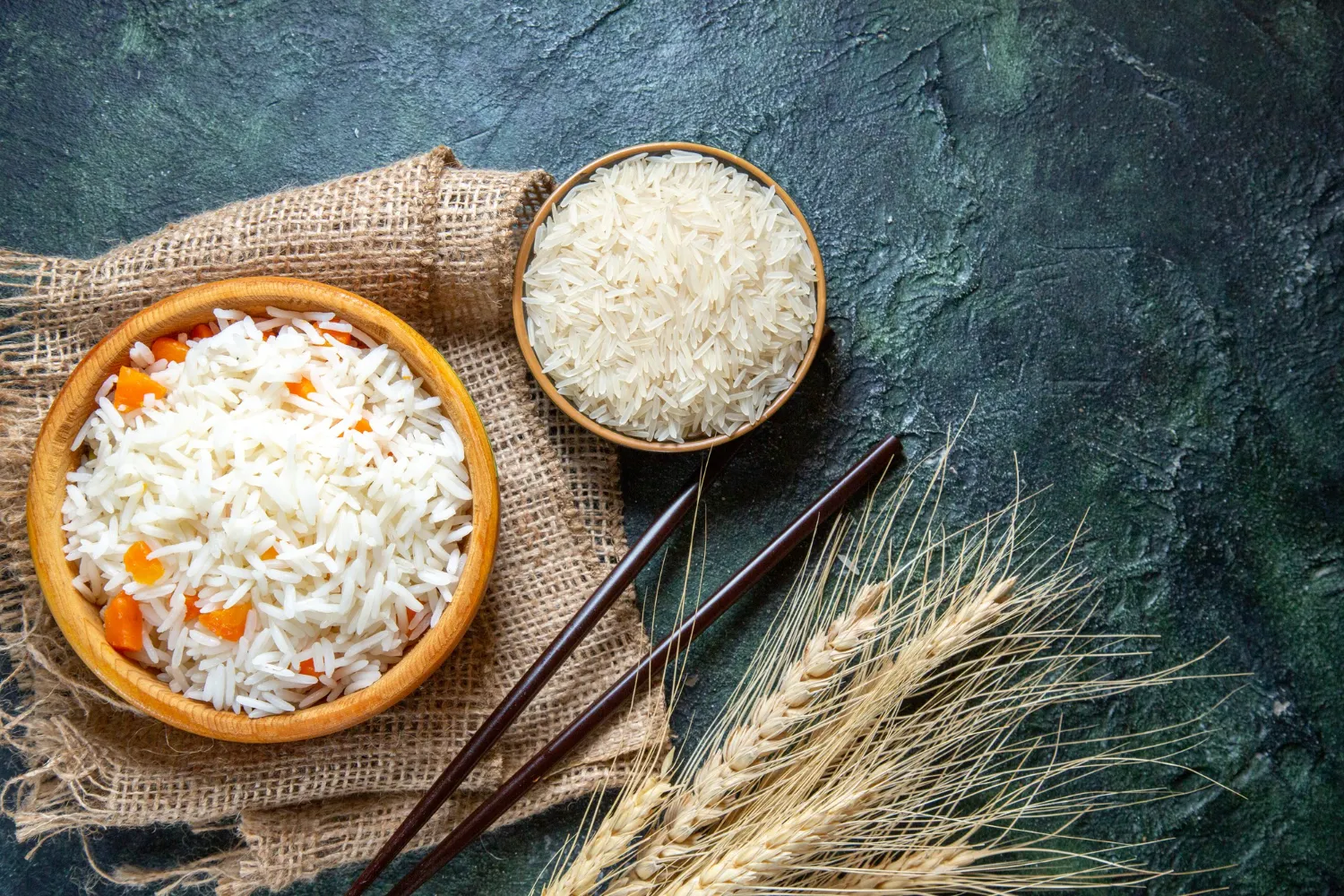
If you have diabetes and love rice, you’ve probably asked this question a hundred times: “Can I still eat rice without spiking my sugar?” In India, where rice is comfort, tradition, and emotion all in one bowl, giving it up can feel impossible. But here’s the good news, you don’t have to.
It’s not about removing rice, it’s about choosing the right kind and cooking it smartly. This blog breaks down exactly which rice is best for diabetics, how it affects your blood sugar, and what healthy Indian alternatives you can enjoy instead.
Why Rice Matters in Diabetes?
Rice is rich in carbohydrates, your body’s main source of energy. But in people with diabetes, carbohydrates get converted into glucose faster than the body can manage, causing blood sugar spikes.
The impact of rice on blood sugar depends mainly on its Glycemic Index (GI), a scale that measures how quickly a food raises your blood glucose.
- High-GI foods (70 or above): cause rapid sugar spikes.
- Medium-GI foods (56–69): moderate rise.
- Low-GI foods (55 or below): slow and steady release of glucose.
Read this also: How CGM Monitoring Helps with PCOS & Weight Loss
Types of Rice and How They Affect Blood Sugar
Let’s examine the most common rice varieties in Indian kitchens and compare them.
1. White Rice (Polished Rice) – Not the Best Choice
White rice is milled and polished to remove its outer bran and germ, giving it a smooth texture but stripping away most of its fibre and nutrients. Popular types like Sona Masoori, Ponni, and Kolam have a high GI (70–77). That means they raise blood sugar quickly and can increase insulin resistance over time..
- GI: High (70–77)
- Impact: Quick glucose spike
If you must eat it, reduce portion size and combine with dal, veggies, or curd to slow absorption.
2. Basmati Rice (Especially Brown Basmati) – A Smart White Rice Alternative
If you can’t give up white rice, basmati is your best compromise. Long-grain basmati rice naturally has a lower GI (50–58) thanks to its high amylose content, a resistant starch that digests slowly. That means a steadier glucose curve after meals.
- GI: Moderate (50–58 for white basmati, ~50 for brown basmati)
- Why It’s Good: High fibre, slower digestion, great taste
- Best Used In: Biryanis, pulao, and everyday meals
3. Brown Rice – The Everyday Diabetic Hero
Brown rice is whole-grain rice with only the outer hull removed, not the fibre. It’s richer in magnesium, B vitamins, and antioxidants, and studies show replacing white rice with brown rice can lower Type 2 diabetes risk by up to 16–20%.
- GI: 50–60 (Low to Moderate)
- Why It’s Good: Keeps you full, slows glucose absorption
- Tip: Mix 50% brown rice + 50% white rice initially to adjust to the nutty taste.
4. Red Rice – A Traditional Powerhouse
Red rice (like Kerala’s Matta or Bhutanese red rice) is loaded with fibre, iron, and antioxidants.
Its natural red bran contains anthocyanin compounds that fight inflammation and improve heart health.
It has a GI around 55, making it a diabetes-friendly traditional choice.
- GI: ~55 (Low)
- Why It’s Good: High fibre + antioxidants
- Great For: South Indian red rice dosa, idli, or simple steamed rice
5. Black Rice (Forbidden Rice) – The Antioxidant-Rich Option
Black rice gets its colour from anthocyanins, the same compounds found in blueberries. It’s high in fibre and protein, helping you stay full and avoid sugar spikes.
- GI: ~50 (Low)
- Why It’s Good: Excellent antioxidant profile, improves metabolic health
- Best Used In: Rice bowls, porridge, and kheer (unsweetened!)
6. Parboiled (Converted) Rice – Great for South Indian Diets
Parboiled rice is partially boiled in its husk before milling. This process drives nutrients deeper into the grain and changes its starch structure, resulting in a lower GI (around 50) than regular white rice.
It also retains firmness and is less sticky, making it a smart everyday option for diabetics.
- GI: 50 (Low)
- Why It’s Good: More resistant starch, less sugar spike
- Common in: Kerala, Tamil Nadu, and Andhra meals
7. “Diabetic Rice” (Branded Low-GI Rice) – Check the Label!
Some brands sell “diabetic rice” or “low-GI rice”, usually special basmati or parboiled blends tested to have a GI below 55. They can help, but they’re not magic. The real benefit still depends on portion control, cooking style, and what you eat alongside it.
You can achieve similar benefits with regular brown or parboiled rice without the premium price tag.
Read this also: What is Diabetes Remission and How Long Can it Last?
How Cooking Method Changes the Sugar Impact
Yes, how you cook rice can affect its glycemic index! Here’s how to make any rice a little more diabetes-friendly:
- Soak before cooking: Soaking for 30–60 minutes removes some surface starch.
- Use more water & drain it: The traditional method of boiling rice in extra water and discarding the starch lowers available carbs.
- Avoid overcooking: Cook rice al dente (firm to bite). Overcooked, mushy rice digests faster and spikes sugar.
- Cool and reheat rice: Cooling cooked rice increases resistant starch, which behaves like fibre and reduces GI.
- Add a little fat or acid: A spoon of ghee or a squeeze of lemon with your rice can slow glucose absorption.
- Pair with protein and fibre: Dal, veggies, or curd balance the meal and blunt glucose spikes.
These small habits can make a big difference, especially when rice is a daily staple.
The Best Rice Alternatives for Diabetics in India
If you want to go beyond rice, India offers some incredible traditional and modern substitutes that keep your meals satisfying and your sugar stable.
1. Millets – India’s Ancient Super Grains
Millets are rich in fibre, protein, and minerals and have naturally low GI (40–55). They release glucose slowly, prevent insulin spikes, and improve satiety.
Here’s how popular millets compare:
| Millet Type | GI Range | Benefits | Best Use |
| Foxtail (Kangni) | ~50 | Great for sugar control | Upma, Pongal |
| Barnyard (Sama) | 40–50 | Very low GI | “Vrat rice,” khichdi |
| Bajra (Pearl) | ~50 | Fibre + heart health | Roti, khichdi |
| Ragi (Finger) | 50–55 | Calcium-rich, filling | Ragi dosa, malt |
| Jowar (Sorghum) | 55–60 | Gluten-free | Bhakri, porridge |
Expert Insight:
Millet pioneer Dr Khadar Vali calls them “positive grains” that can help reverse lifestyle diseases like diabetes, a view supported by modern research showing improved blood glucose and HbA1c after millet-based diets.
2. Quinoa – The Global Star
Quinoa isn’t native to India, but it’s become a popular substitute for rice. It’s high in protein, fibre, and magnesium nutrients that improve insulin sensitivity.
- GI: ~53 (Low)
- Why It’s Good: High protein + low GI
- Use It For: Quinoa pulao, quinoa salad, or mixed with rice
3. Cauliflower Rice – The Low-Carb Hero
For those on low-carb or keto plans, grated cauliflower makes an excellent rice substitute.
- It’s extremely low in calories and carbs, with a GI around 15.
- Plus, it’s rich in fibre and vitamin C.
- Use It For: Fried rice, cauliflower pulao, or Chinese-style stir-fry
4. Shirataki (Konjac) Rice – Zero-Carb Option
Made from konjac root fibre, shirataki rice has almost zero calories and carbs. It doesn’t affect blood sugar at all, though it has a jelly-like texture. It’s great for people who want full plates without glucose spikes.
- GI: Practically zero Why It’s Good: Helps control appetite and glucose levels
5. Barley, Rajgira & Buckwheat
Traditional fasting grains like barley (jau), rajgira (amaranth), and buckwheat (kuttu) are rich in soluble fibre that slows digestion and sugar absorption. Barley’s beta-glucan fibre is especially known to lower blood glucose and cholesterol.
How Much Rice Can a Diabetic Eat?
Even with the right kind of rice, portion control is key.
- Stick to ½ cup (100–150g cooked rice) per meal.
- Fill the rest of your plate with veggies, dal, or salad.
- Avoid eating rice twice a day if your glucose levels are high.
- Use a small katori (bowl) visually; it helps limit overeating.
Remember, it’s the total meal, not just rice, that determines your sugar response.
Practical Indian Meal Ideas
Here are easy swaps and combinations you can start with:
- Brown basmati rice + moong dal + sabzi
- Red rice idli + sambar + coconut chutney
- Parboiled rice khichdi with vegetables
- Barnyard millet “sama” pulao for fasting or dinner
- Quinoa upma with sprouts
- Cauliflower fried rice for a low-carb dinner
Each of these meals keeps your carbs moderate, adds fibre and protein, and still feels authentically Indian.
The Emotional Side: You Don’t Have to Give Up Rice
For most Indians, rice is comfort food tied to family meals, festivals, and memories. Completely cutting it out can make diets feel restrictive and unsustainable. The healthier path is moderation, not deprivation. You can absolutely include rice in a diabetes-friendly meal plan as long as it’s:
- The right type (brown, red, basmati, or parboiled)
- The right amount (small portions)
- And paired with fibre, protein, and movement
That way, you enjoy your favourite foods while keeping your blood sugar under control.
The Science-Backed Connection: Rice, Insulin, and Metabolic Health
High-GI rice causes quick glucose surges that make your pancreas release large amounts of insulin. Over time, this constant demand leads to insulin resistance, the root cause of Type 2 diabetes.
Low-GI, high-fibre rice varieties like brown, red, black, and parboiled release glucose slowly, easing the insulin load and helping your cells use it more efficiently.
That’s why at GoodFlip, we focus on tracking your Metabolic Score, a single, science-based number that shows how your diet, sleep, activity, and blood sugar all connect. It’s not just about eating “diabetic rice”; it’s about building habits that restore your metabolism.
Key Takeaways
| Rice Type | Glycemic Index | Verdict |
| White Rice (Sona Masoori, Ponni) | 70–77 | ❌ Avoid or limit |
| Basmati (White) | 50–58 | ✅ Better choice |
| Brown Rice | 50–60 | ✅ Great option |
| Red Rice | ~55 | ✅ Excellent |
| Black Rice | ~50 | ✅ Excellent |
| Parboiled Rice | ~50 | ✅ Very good |
| Diabetic Rice (Branded) | <55 | ⚠️ Fine, but check claims |
And remember: cooking style and portion size matter just as much as the type.
Conclusion: Progress, Not Perfection
Managing diabetes isn’t about giving up everything you love; it’s about making smarter swaps and being consistent. Small, steady changes like switching to low-GI rice, eating balanced plates, and tracking your glucose can lead to big results over time.
If you’re not sure where to begin, you can get a free Metabolic Score and expert guidance on what works best for your body with GoodFlip’s Care Programs. Our team of doctors, dieticians, and coaches will help you track your vitals, create personalised diet plans, and build habits that support long-term remission.
Make the GoodFlip today, your health will thank you.