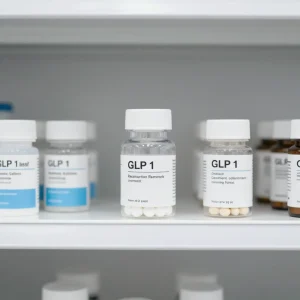


GLP-1 medications like semaglutide have changed the conversation around weight loss and metabolic health. They help reduce appetite, improve blood sugar control, and support meaningful weight loss.
But one of the most common questions people ask is this: What happens when I stop?
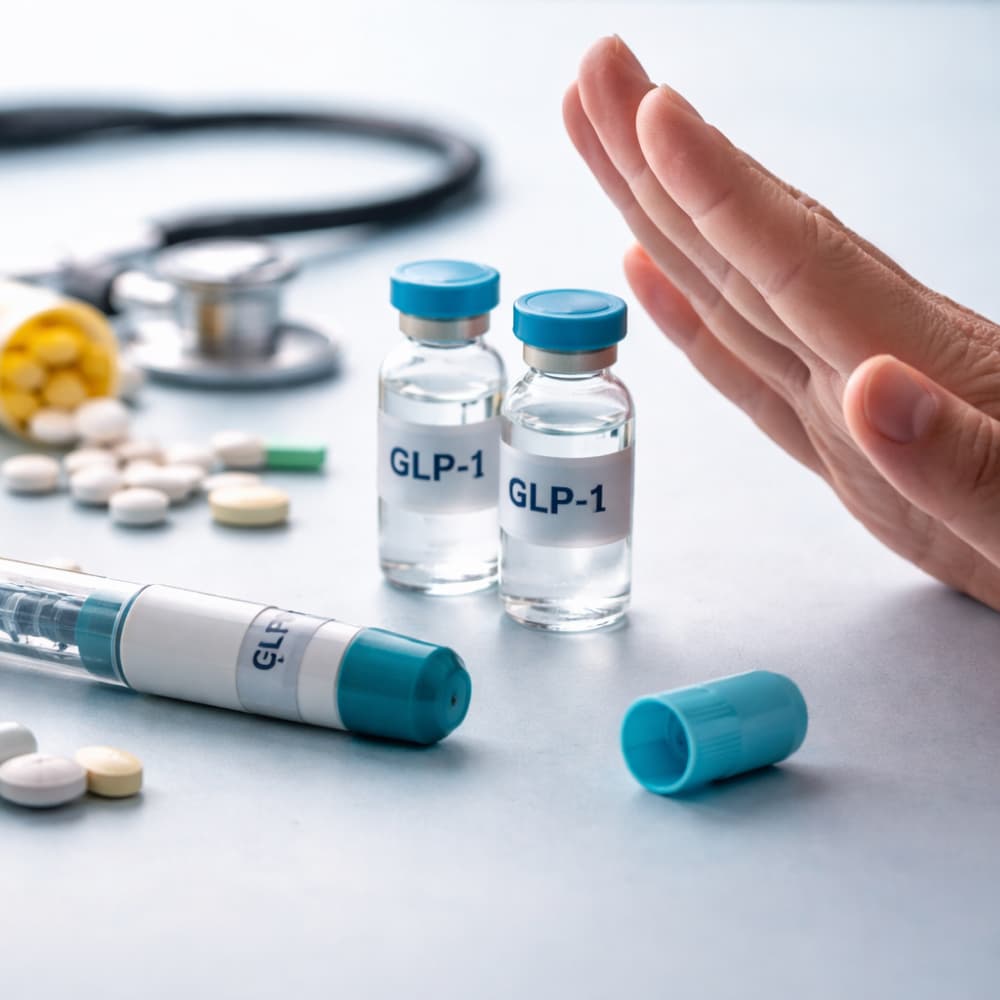
If you’re thinking about pausing or stopping GLP-1 treatment, this guide will walk you through what to expect, what’s normal, and how to protect your progress.
What Happens When I Stop GLP-1s?
GLP-1 medications work by mimicking a natural hormone that regulates appetite, insulin, and digestion. When you stop taking them, that hormonal support fades.
Here’s what may happen:
- Appetite gradually increases
- Cravings may return
- Weight loss may slow or reverse
- Blood sugar control may change if you have diabetes
This does not mean you will automatically regain everything. It means your body is returning to its natural regulatory system. GLP-1s help manage biology. When they’re removed, biology resumes.
Will My Appetite Come Back?
For most people, yes. GLP-1 medications reduce hunger by acting on appetite centres in the brain and slowing digestion. When you stop, that appetite suppression typically decreases.
You may notice:
- Feeling hungry sooner after meals
- Stronger food thoughts
- Increased portion sizes
This is not a failure of willpower. It is physiology. The key is having habits in place before stopping, so your structure does not depend entirely on the medication.
Will I Regain All the Weight?
Not necessarily. But some regain is common. Research shows that many people regain a portion of the weight after stopping GLP-1 therapy, especially if lifestyle habits were not firmly established during treatment.
Weight regain depends on:
- Your nutrition habits
- Your strength training and muscle mass
- Sleep and stress levels
- How long were you on treatment?
- Whether you taper gradually
The more sustainable habits you build while on the medication, the better your chances of maintaining results. GLP-1s create opportunity. Habits create maintenance.
Can I Taper Off Slowly?
In many cases, yes. And this is often a smarter approach than stopping abruptly. Tapering under medical supervision may help:
- Reduce rebound appetite
- Give you time to adjust eating patterns
- Allow gradual metabolic adaptation
Always discuss dose reduction with your healthcare provider. Do not adjust the dose on your own.
Can I Cycle GLP-1 Use?
Some people ask about using GLP-1s in “cycles” similar to other therapies. Currently, there is no strong evidence supporting routine cycling for weight loss. GLP-1 medications are designed for chronic use in many individuals because obesity and metabolic dysfunction are chronic conditions.
That said, individual plans vary. Some people may use GLP-1s during high-risk metabolic periods and then pause under medical supervision. This decision should always be personalised and medically guided.
Should I Stop Once I Reach My Goal Weight?
Reaching your goal weight does not automatically mean you should stop. Weight loss and weight maintenance are biologically different phases.
For many people:
- Appetite hormones increase after weight loss
- The body tries to regain lost weight
- Metabolic rate may decrease
Stopping immediately at the goal weight can sometimes trigger regain. Some doctors may recommend continuing at a maintenance dose, tapering gradually, or monitoring closely before fully stopping. The goal is stability, not just reaching a number.
What Lifestyle Changes Help Maintain Weight Loss?
This is the most important section. If you want long-term success after stopping GLP-1s, focus on:
- Strength Training: Building muscle protects your metabolism. Aim for resistance training at least two to three times per week.
- Adequate Protein: Protein helps control hunger and preserve lean mass. Prioritise protein at every meal.
- Structured Eating: Regular meals prevent reactive overeating.
- Sleep: Poor sleep increases hunger hormones and cravings.
- Stress Management: Chronic stress drives emotional eating and fat storage.
- Realistic Calorie Awareness: You do not need obsessive tracking, but awareness matters.
The medication helps reduce biological resistance. Lifestyle protects the results.
Can I Restart Later If Needed?
Yes, many people can restart GLP-1 therapy if medically appropriate. However, you may need to begin again at a lower dose, titration schedules usually restart, and insurance or prescription approvals may vary. If you regain weight and feel stuck, restarting can be part of a long-term strategy. There is no shame in using tools more than once.
Are GLP-1s “Cheating” for Weight Loss?
No. Using a medically approved treatment for a chronic metabolic condition is not cheating. Obesity and metabolic dysfunction are driven by hormonal imbalances, genetics, environment, insulin resistance, and neurobiology. GLP-1 medications address biological drivers of hunger and metabolism. Taking blood pressure medication or insulin is not cheating. They are tools, not shortcuts.
Are These Drugs Only for Celebrities?
No. Media attention has created the impression that GLP-1s are celebrity weight loss injections. In reality, these medications were developed for Type 2 diabetes, obesity, and cardiometabolic risk reduction. They are prescribed to everyday people under medical supervision. They are medical treatments, not lifestyle trends.
Is GLP-1 the Same as Starvation?
Absolutely not. Starvation deprives the body of nutrients, slows metabolism dramatically, causes muscle loss, and triggers stress hormones. GLP-1 therapy regulates appetite signals, improves insulin response, and supports fat loss when combined with nutrition. It does not eliminate the need for proper nutrition.
Will People Know I’m on GLP-1s?
There is no visible sign that someone is using a GLP-1 medication. People may notice weight loss, smaller portion sizes, or changes in appetite, but there is nothing externally identifiable about the medication itself. Whether you share your treatment is entirely your choice.
The Bigger Picture
GLP-1 medications are powerful tools for improving metabolic health. But they are not magic, and they are not permanent solutions by themselves.
When you stop: Appetite often returns, some weight regain is possible, and habits matter more than ever. The most successful long-term outcomes happen when medication and lifestyle work together. If you’re considering stopping GLP-1 therapy, talk to your healthcare provider about a structured plan. The goal is building a body and metabolism you can sustain.