


GLP-1 medicines are among the most effective treatments for type 2 diabetes today. They lower blood sugar, support weight reduction, and in some cases reduce cardiovascular risk. But with options like semaglutide, tirzepatide, dulaglutide, and liraglutide available, many people ask: Which GLP-1 works best for diabetes control?
Let’s look at what clinical evidence shows and what it means in real life.
How GLP-1 Medicines Improve Blood Sugar
GLP-1 receptor agonists mimic a natural hormone that:
- Stimulates insulin release when blood sugar is high
- Reduces glucagon (which raises glucose levels)
- Slows stomach emptying
- Reduces post-meal glucose spikes
According to the Mayo Clinic, GLP-1 medicines improve glycemic control while carrying a lower risk of hypoglycemia compared to older diabetes drugs. The main way effectiveness is measured is through HbA1c reduction, which reflects average blood sugar over 3 months.
1. Tirzepatide (Mounjaro)
Tirzepatide is a dual GIP + GLP-1 receptor agonist. In the SURPASS-2 trial, tirzepatide showed greater HbA1c reduction compared to semaglutide 1 mg. Participants achieved reductions up to 2.3% HbA1c depending on dose. This makes tirzepatide one of the strongest options for glucose-lowering in head-to-head data.
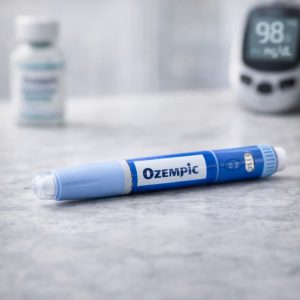
2. Semaglutide (Ozempic)
Semaglutide is one of the most widely prescribed GLP-1 medicines. In the SUSTAIN-6 trial, semaglutide significantly reduced HbA1c and demonstrated cardiovascular benefit. Across SUSTAIN trials, HbA1c reductions typically ranged between 1.0%-1.8%, depending on baseline levels. Semaglutide is often considered one of the most balanced options with strong glucose control plus proven heart benefits.
3. Dulaglutide (Trulicity)
Dulaglutide is a once-weekly GLP-1 with a strong safety and cardiovascular profile. In the REWIND trial, dulaglutide reduced cardiovascular events while improving glycemic control. HbA1c reductions typically fall between 0.8%–1.5%. It remains a reliable option for many patients.
4. Liraglutide (Victoza)
Liraglutide was one of the first GLP-1 medicines with cardiovascular outcome data. The LEADER trial demonstrated both HbA1c reduction and reduced cardiovascular risk. However, it requires daily injections, which may affect long-term adherence for some patients.
5. Oral Semaglutide (Rybelsus)
Oral semaglutide is the first GLP-1 tablet approved for type 2 diabetes. In the PIONEER-1 trial, oral semaglutide significantly reduced HbA1c compared to placebo. HbA1c reductions ranged from 0.9%-1.4%, depending on dose. It offers a non-injectable option, though it requires strict dosing instructions (empty stomach, limited water).
So, Which GLP-1 Is 'Best' for Diabetes?
Based on published data:
- Tirzepatide: Highest average HbA1c reduction in trials
- Semaglutide: Strong glucose control + proven cardiovascular benefit
- Dulaglutide & Liraglutide: Reliable, well-studied options
- Oral semaglutide: Effective non-injectable alternative
But 'best' depends on: Baseline HbA1c, Cardiovascular risk, Weight goals, Tolerability, Convenience, and Physician guidance.
Where Zydus GLP-1 Fits In
Zydus Lifesciences has received approval in India to market synthetic semaglutide injection for type 2 diabetes and is also developing a novel oral GLP-1 candidate, ZYOG1, intended for diabetes and obesity.
The focus is on expanding access to GLP-1 therapy, improving convenience through differentiated delivery systems, and supporting long-term metabolic care. As GLP-1 therapy evolves, accessibility and adherence become just as important as efficacy.
Why Support Programs Matter
Clinical trials show strong HbA1c reduction. But real-world outcomes depend on medication adherence, dose titration monitoring, nutrition guidance, side-effect management, and ongoing follow-up. That’s where structured support programs become important.
GoodFlip aims to provide patient support through guided care pathways, helping individuals stay consistent, monitor progress, and sustain metabolic improvements. Because the 'best' GLP-1 is not just the one with the strongest trial data, it’s the one a patient can stay on safely and consistently.
If the goal is maximum HbA1c reduction, current evidence suggests tirzepatide and semaglutide lead the category. But long-term diabetes control is not only about numbers; it’s about sustainable use, accessibility, and patient engagement. With expanding GLP-1 options, including Zydus’ portfolio and next-generation developments, diabetes care is moving toward a more comprehensive, supported model.