

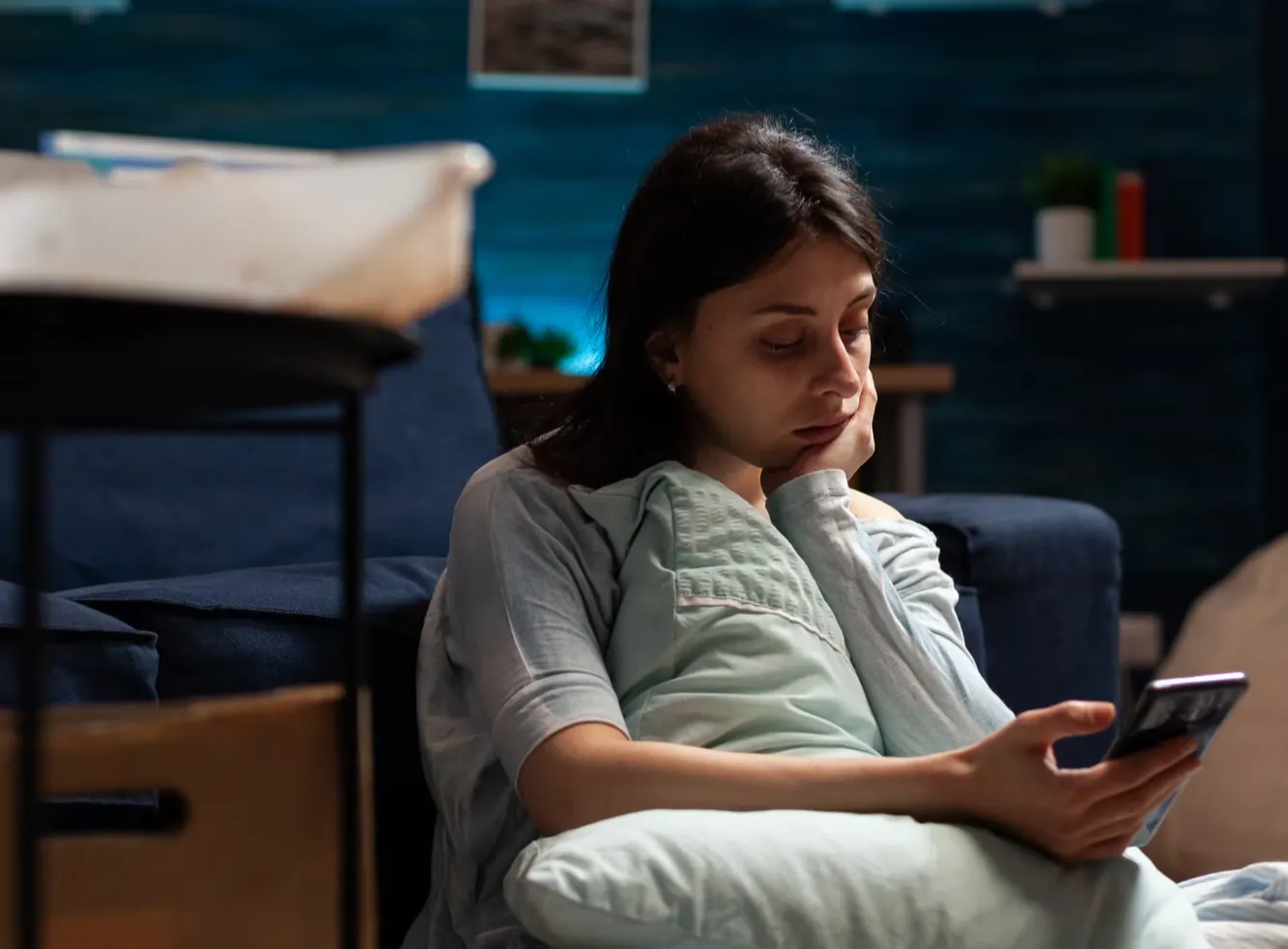
Scrolling at midnight feels harmless until your brain thinks it’s morning. The light from your phone and the stimulation from notifications keep your mind alert, suppress the sleep hormone melatonin, and shift your internal clock.
That’s why Day 11 of GoodFlip’s Metabolic Kickstarter asks you to do one simple thing: put your phone away 30 minutes before bedtime.
This isn’t about perfection. It’s about a small, repeatable habit that helps you fall asleep faster, sleep deeper, and wake up clearer, all of which support metabolic health, appetite control, energy, and mood. In this guide, you’ll learn the science of blue light and sleep, why 30 minutes matters, and how to design a phone-free wind-down you’ll actually stick to.
If you’re managing a health condition or sleep disorder, follow your clinician’s advice. This article offers general education, not medical diagnosis.
Why a Phone-Free 30 Minutes?
Why this one matters: short, consistent pre-sleep routines reduce sleep latency (time to fall asleep), improve sleep quality, and stabilise circadian timing all of which support better metabolic outcomes.
Blue Light 101: What It Is and Why Your Brain Cares
Not all evening lights are equal. Blue-enriched light (roughly 460-480 nm) is especially powerful for your circadian system.
Here’s why:
- ipRGCs & melanopsin: Your eyes contain special light-sensing cells (intrinsically photosensitive retinal ganglion cells) that are most sensitive to blue light.
- Melatonin suppression: Evening exposure to blue-rich light reduces melatonin, the hormone that signals to your brain and body that it’s time to sleep.
- Clock shifting: Late light acts like a ‘time cue’ and can delay your circadian phase; you feel sleepy later and wake later (or groggier if you still wake early).
- Alertness boost: Blue-rich light increases alertness, great at 10 a.m., not so great at 10 p.m.
Common sources: phone and tablet screens, laptop/TV LEDs, cool-white bulbs, overhead lighting, and even bright bathroom lights.
Sleep Architecture and How Screens Disrupt It
Your sleep cycles through stages: light sleep (N1, N2), deep slow-wave sleep (N3), and REM. Late-evening screens can:
- Increase sleep latency (you take longer to fall asleep).
- Reduce total sleep time (you sleep fewer hours).
- Fragment sleep (more awakenings) through alerts and micro-arousals.
- Shift REM and reduce deep sleep, leaving you less restored.
The result? You wake feeling ‘wired and tired,’ with lower cognitive performance, more cravings, and less motivation to move.
The Metabolism-Sleep Connection: Why Your Phone Habit Shows Up on Your Plate
Poor sleep isn’t just a next-day fog; it nudges your metabolism in the wrong direction:
- Insulin sensitivity drops: After short or disturbed sleep, your muscles respond less effectively to insulin, pushing glucose control the wrong way.
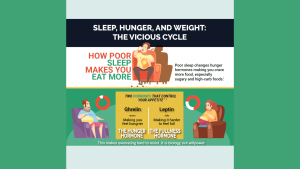
- Hunger hormones shift: Ghrelin (hunger) rises and leptin (satiety) falls, increasing cravings especially for refined carbs and sugary snacks.
- Evening overeating risk: Staying up late increases opportunities and urges to snack.
- Stress & cortisol: Late screen time and content stimulation elevate stress signals that compete with sleep signals.
Tightening your pre-sleep routine is one of the simplest levers for better appetite regulation, steadier energy, and improved metabolic trends over time.
Why '30 Minutes' Is a Smart, Doable Target?
You’ll see recommendations that range from 30 to 120 minutes of screen-free time before bed. For habit-building, 30 minutes hits a practical sweet spot:
- Long enough for melatonin to rise naturally (especially if you dim room lights).
- Short enough to feel realistic on weeknights.
- Easy to pair with a wind-down ritual (shower, stretch, read, journal) that trains your brain: ‘these cues mean sleep is coming.’
Once it sticks, many users choose to extend it to 45-60 minutes because they like how it feels.
What to Do Instead: A Phone-Free Wind-Down That Works?
Design a repeatable, low-stimulation routine. Keep it simple and consistent so your brain learns the pattern.
Step-by-Step (15-30 Minutes):
Dim & warm the lights
Switch to bedside lamps or warm (≤2700K) bulbs. Avoid bright overheads and cool-white LEDs.
Park your phone. Put it on Do Not Disturb/Bedtime Mode, charge it outside the bedroom, or at least out of arm’s reach.
Choose one calming activity
- Paperback or e-ink reader with warm front-light
- Light stretching or mobility flow (5-10 minutes)
- Breathwork: box breathing (4-4-4-4) or 4-7-8 (4 inhales, 7 hold, 8 exhales) for 2-5 minutes
- Journaling: 3 wins of the day, tomorrow’s top 1-3 tasks
- Gratitude notes or guided relaxation audio (screen off)
- Keep it dark and cool: Aim bedroom 18-22°C; block light leaks with curtains or a sleep mask.
- If You Must Use a Screen (Occasionally)
- Set the phone to the warmest Night Shift/Bedtime setting and lowest brightness.
- Dark mode + largest comfortable text.
- Keep at least arm’s-length distance; avoid scrolling social feeds and emails.
(Helpful tools but not perfect substitutes for phone-free time.)
Content Stimulation: It’s Not Just the Light
Even without blue light, content can keep you awake:
- Fast-paced videos and doom-scrolling spike dopamine and arousal.
- Work chats and emails trigger problem-solving mode.
- Notifications cause micro-arousals that fragment sleep.
Your 30-minute buffer teaches your nervous system to downshift. Pair it with softer lighting and calmer activities for the biggest payoff.
Build the Habit: Make 30 Minutes Feel Automatic
- Name a bedtime: e.g., 11:00 p.m. Then set a ‘phone down’ alarm at 10:30 p.m.
- Friction hack: Charge your phone in the hallway or living room; use a low-tech alarm clock.
- One-tap mode: Enable a Focus or Bedtime mode that auto-blocks notifications and turns the screen grayscale.
- Temptation bundling: Pair wind-down with something you enjoy (cozy tea, favorite chair, a short fiction chapter).
- Streaks work: Open GoodFlip > mark Day 11 as Done. Protect the streak.
"But I Need My Phone at Night!" (Real-Life Workarounds)
- Alarm only: Use a bedside analog alarm; keep the phone outside.
- Emergencies: Add select contacts to Allowed in Do Not Disturb; silence everything else.
- Parents of young kids: Keep the phone nearby but face-down, DND on, and disable previews so light doesn’t flash.
- Shift workers: Anchor your 30-minute wind-down before your sleep time. Use light-blocking and consistent routines to teach your clock the new schedule.
- Travel: Use an eye mask + earplugs. Keep your wind-down short and familiar (stretch + breathwork + 3 wins).
Troubleshooting: When Sleep Still Won’t Come
- Mind racing? Keep a notepad by the bed. Do a ‘brain dump’ and return to breath.
- Too hot? Cool shower, breathable bedding, or a fan helps lower core temperature.
- Late caffeine? Set a caffeine curfew 8-10 hours before bed.
- Heavy dinners & alcohol: Finish meals 2-3 hours before bed; alcohol disrupts deep sleep.
- Can’t fall asleep in 20 minutes? Get up, keep lights dim, do something calm (paperback reading). Return when sleepy.
- Snoring, gasping, or persistent insomnia: Discuss with your clinician; there may be treatable conditions (e.g., sleep apnea).
What You’ll Notice
- Tonight: Falling asleep feels a little easier; less ‘wired’ in bed.
- This week: More consistent sleep and wake times; clearer mornings.
- This month: Better energy, steadier cravings, improved mood and often better consistency with movement and nutrition habits.