



Most people drink water only when they feel thirsty. But by the time thirst kicks in, your body has already shifted into mild dehydration. Your organs feel it long before you do.
Hydration is your body’s quiet balancing act.
It keeps your cells active, your brain clear, your digestion smooth, and your metabolism stable. Every drop of water you drink supports dozens of tiny processes that keep you feeling fresh, awake, and energised through the day.
Today, we are diving into how steady hydration, not just drinking water, is the real key to balanced energy and metabolic health.
Why Hydration Matters for Inner Balance
Water is involved in nearly every metabolic function inside the body. From transporting nutrients to regulating temperature, proper hydration helps keep the inner systems running smoothly.
Here is how hydration supports your body:
- Nutrient transport: Water carries vitamins, minerals, and glucose through the bloodstream to cells that need them. Without enough water, nutrients move slowly, and digestion feels sluggish.
- Kidney and liver detox: These organs rely on adequate water to flush out waste. Steady hydration helps toxins leave the body smoothly.
- Temperature regulation: Water helps balance body heat and prevents overheating, especially in warm climates.
- Electrolyte balance: Minerals like sodium, potassium, and magnesium need water to move between cells. This balance keeps your brain sharp and muscles functioning well.
Hydration is not just about quenching thirst. It is about keeping your inner systems flowing, clean, and stable.
Uneven Hydration Equals Uneven Energy
Most people drink water in bursts. Chugging after long gaps and forgetting for hours and having most water in the evening. This uneven hydration creates uneven energy throughout the day.
- Drinking too much at once
This leads to:
- bloating
- frequent urination
- poor mineral absorption
- temporary heaviness
Your body simply cannot use water efficiently when it comes in large quantities at once.
- Long gaps without water
This causes:
- afternoon tiredness
- slow digestion
- headaches or fogginess
- dips in blood glucose
- cravings
Your body thrives on consistency, not extremes.
- Consistency matters more than quantity: The goal is not to drink huge amounts of water. The goal is to drink steadily, so your internal systems never have to struggle for balance. When water intake is smooth, your energy stays smooth too.
Hydration and Metabolic Efficiency
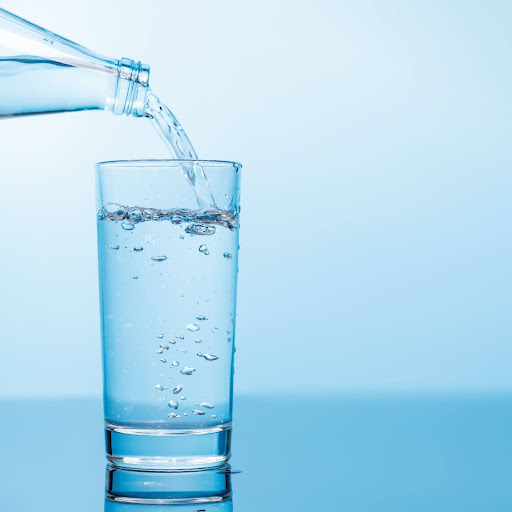
Your metabolism needs water to function efficiently. Stable hydration contributes to:
- Smooth digestion: Water helps break down food, dissolve nutrients, and move them through your gut.
- Better glucose control: Hydration helps glucose move into cells more effectively. This reduces dips and spikes that cause energy crashes.
- Active detox pathways: When the kidneys and liver have steady water, they filter waste more efficiently. This reduces internal stress and supports metabolic health.
Hydration is one of the simplest ways to keep your metabolism steady without any major lifestyle change.
How Water Supports Detox
Detox is not about juices or expensive cleanses. Your body already detoxes naturally all day long. Water simply helps it do that job properly.
Kidneys: Water allows kidneys to filter waste and push it out through urine. Steady hydration prevents kidney strain.
Liver: Fluid balance helps the liver break down toxins and process nutrients. Better hydration equals better liver efficiency.
Waste elimination: Water keeps digestion smooth and prevents waste from sitting too long in the body.
If hydration is inconsistent, detox slows down and you feel heavy, foggy, or low in energy.
The Right Way to Hydrate: Steady vs Chugging
Many people make the mistake of drinking a lot of water at once to “catch up”. This is not effective.
Steady hydration works best:
- Small sips
- Regular intervals
- Consistent rhythm
Especially important during:
- morning hours
- hot afternoons
- after long meetings
- before meals
- light physical activity
Avoid heavy drinking in one go. This disrupts mineral balance and causes frequent urination. Hydration should feel refreshing, not overwhelming.
Smart Ways to Add Variety to Your Hydration
Water is great!
But sometimes, your body needs more than plain water. Electrolyte-rich fluids help restore minerals and maintain balance.
- Buttermilk
- Natural probiotics
- Electrolytes
- Cooling effect
Perfect for mid-day hydration.
- Coconut water
- Rich in potassium
- Instant freshness
- Helps reduce fatigue
A great swap for afternoon coffee.
- Herbal infusions
- Mint, ginger, chamomile, tulsi
- Hydration plus calm
- Ideal for evenings
These options keep hydration interesting and nutritious.
Hydrate With Awareness
Hydration should be intentional. Here is how to tune into your body:
- Stay refreshed, not bloated: Steady sipping prevents heaviness.
- Notice thirst cues: Dry lips, slight tiredness, irritability, or headaches are early signals.
- Listen to your body after sipping: A few small sips can instantly improve alertness. Hydration is a feeling, not just a number.
Add Hydration Through Foods
Some foods naturally contain large amounts of water. Including them helps maintain hydration without needing to drink constantly. Great options include:
- Watermelon
- Oranges
- Cucumber
- Bottle gourd
- Tomatoes
- Lettuce
- Coconut
These foods also provide fibre and minerals, making them doubly beneficial.
A Simple Daily Hydration Routine
Here is a routine you can follow today:
- Morning: 2 glasses of water right after waking up. This kickstarts digestion and rehydrates your body after sleep.
- Before meals: 1 glass of water before each meal to support digestion and portion control.
- Between tasks: Take small sips whenever switching tasks or during short breaks.
- Afternoon support: If you feel a slump, try coconut water or lemon water instead of caffeine.
- Evening: Sip lightly to avoid waking up at night. This routine fits into any schedule without effort.
Pro Tips to Stay Consistent
These habits make hydration simple and automatic.
- Keep a bottle on your desk: Visibility increases consistency.
- Track urine colour: Light yellow means good hydration. Dark yellow means you need more water.
- Refill your bottle twice a day: This gives you a simple, measurable target.
- Avoid drinking large amounts near bedtime: This helps you sleep better without disruptions.
- Set hydration cues: For example:
- sip whenever your phone screen wakes
- sip after every meeting
- sip between tasks
Consistency is culture, not effort.