


Most people think building a stronger metabolism is all about intense workouts, sweating more, or pushing harder. But here is the truth: your metabolism thrives on balance. Movement builds strength, but recovery is what makes that strength last. Without recovery, metabolism slows down. With it, your body becomes more resilient, energetic, and efficient.
Light recovery movement is one of the most underrated tools for metabolic health. It helps your muscles repair, balances stress hormones, improves blood flow, and keeps your energy steady through the day. If you want long-lasting metabolic change, recovery is not optional. It is essential.
Why Recovery Movement Matters More Than You Think
Every time you move, whether during exercise or daily activities, your muscles experience tiny amounts of stress. This is normal and healthy. These micro stresses create opportunities for your muscles to rebuild stronger.
The problem begins when these micro stresses pile up without giving the body time to repair. This leads to:
- Fatigue
- Stiffness
- Hormonal imbalance
- Slower metabolism
- Reduced performance
- Higher injury risk
Recovery movement helps your muscles repair and your hormones rebalance. It restores your body from the inside and prepares it for your next day of activity.
The Science Behind Recovery Movement
Recovery is not about being inactive. It is about choosing the right kind of movement to support healing. Here is what happens when you practice gentle recovery activities like stretching, yoga, deep breathing, or slow walking.
- Stretching increases blood flow: Improved circulation brings oxygen and nutrients to tired muscles. This helps them repair faster and reduces muscle soreness.
- Waste removal improves: Better circulation clears out lactic acid and metabolic waste that build up after activity.
- Your nervous system calms down: Gentle movement activates the parasympathetic nervous system, often called the rest and digest system. This reduces stress, lowers heart rate, and improves overall relaxation.
- Your joints stay mobile: Light movement lubricates joints and keeps them flexible, reducing stiffness.
Even small recovery routines can create big internal changes that support metabolic stability.
Recovery and Metabolic Efficiency
A sustainable metabolism relies on both activity and rest. Here is how recovery movement directly supports your metabolic system.
- Better glucose uptake: Light movement improves how your muscles absorb glucose, even without intense exercise. This helps stabilise blood sugar and prevents spikes.
- Hormone balance: Recovery reduces stress hormones like cortisol. High cortisol can lead to belly fat storage, cravings, and energy crashes.
- Improved digestion: Gentle movement activates the digestive system, supports gut motility, and helps with nutrient absorption.
- Fewer energy dips: When your muscles and hormones are balanced, your energy stays more stable throughout the day. Recovery might feel soft, but it is incredibly powerful for long-term metabolic health.
What Counts as Recovery Movement
Recovery does not require equipment, intensity, or a long time. It simply requires intention. The goal is to release tension, not build it. Here are easy recovery movements anyone can do:
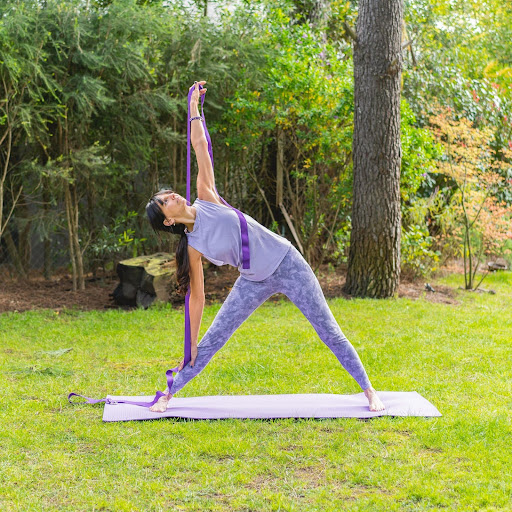
Slow yoga flows
Gentle sequences that stretch the spine, hips, and legs.
Light stretching
Focus on hamstrings, neck, shoulders, and back.
Deep breathing and mobility work
Helps the body relax and improves joint movement.
Relaxed walking
A slow 15 to 20 minute walk helps circulation and reduces muscle tightness.
Recovery movement feels easy, but it trains your body to operate efficiently without stress.
How Recovery Prevents Metabolic Slowdown
Skipping recovery may seem harmless, but over time it slows your metabolism dramatically. Here is how recovery keeps your metabolism healthy:
- Prevents chronic tension: Tight muscles create inflammation and reduce movement efficiency.
- Reduces cortisol: High cortisol makes your body store fat, especially around the abdomen.
- Improves muscle response: Well-rested muscles perform better during your next workout and absorb nutrients more effectively.
- Protects against burnout: Consistent recovery prevents the physical and mental fatigue that leads to quitting habit routines.
Recovery makes your body more adaptable, which is the foundation of metabolic resilience.
The Mind-Body Connection During Recovery
Recovery is not only physical. It is a moment for your mind to tune in. When you stretch or breathe deeply, you naturally become more aware of:
- Tight spots
- Areas of fatigue
- Stress you were holding
- How your body actually feels
This awareness helps you avoid injuries and helps you understand what your body needs each day. Over time, it builds intuition and reduces the mental strain of pushing through discomfort. Connection builds consistency. Consistency builds metabolism.
A Simple 20 Minute Recovery Routine for Today
Here is a routine you can follow today to feel lighter, calmer, and more restored.
- Gentle Warm-Up (5 minutes)
- Slow neck rolls
- Shoulder circles
- Light hip mobility
- Ankle rotations
- Stretch or Yoga Flow (10 minutes)
- Cat-cow
- Forward fold
- Child’s pose
- Low lunge
- Spinal twist
Focus on slow breathing throughout.
- Slow Walk or Deep Breathing (5 minutes)
Choose one of these:
- A gentle walk around your home or outdoors
- A breathing practice: inhale 4 seconds, hold 2, exhale 6
This brings the body into a calmer state and enhances recovery.
Bonus Recovery Boosters
If you want to support your muscles even further, try adding these:
Foam rolling
Releases tight muscle knots and improves flexibility.
Light massage
Helps reduce stress and muscle tension.
Protein-rich snack
A small portion of paneer, eggs, curd, tofu, or nuts supports muscle repair.
Hydration
Muscles recover better when well hydrated. Add electrolytes if needed.
These boosters enhance your recovery without adding extra effort.
Take 20 Minutes Today to Move and Recover
Movement builds strength, but recovery builds sustainability. This balance is what allows your metabolism to function at its best. Today, take 20 minutes to slow down, stretch, breathe, or walk gently. Your muscles will feel better. Your energy will stabilise. Your metabolism will thank you. Recovery is not a pause. It is an essential step forward.