

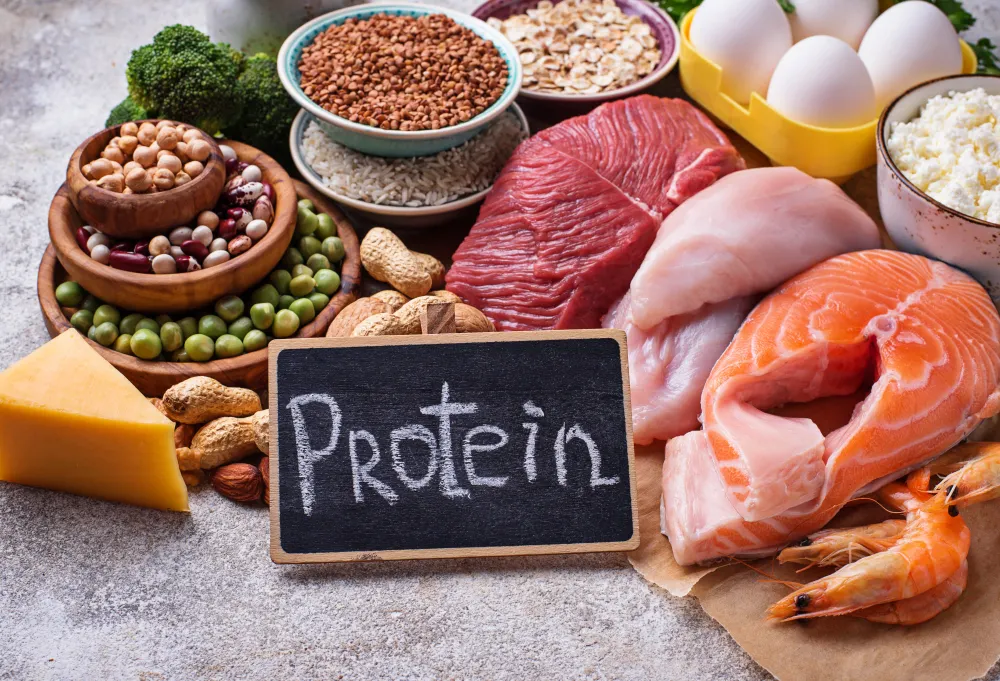
The simplest way to steady your energy, improve metabolism, and stay full for longer.
The Real Powerhouse Nutrient You Might Be Missing
If you’ve always thought protein is just for gym-goers and muscle builders, think again.
Protein is literally everywhere in your body. It forms your muscles, hormones, enzymes, skin, hair, and even immune cells. Every single function, from repairing tissues to keeping your mood stable, needs protein to run smoothly.
So when your meals are low on protein, you don’t just feel hungry sooner, your body also struggles to stay energised, recover, and burn calories efficiently.
Why Protein Is a Metabolic Superfood?
When we talk about “boosting metabolism,” people think of green tea or apple cider vinegar. But the real game-changer sits quietly on your plate of protein.
Here’s how it helps your body work smarter, not harder:
1. Protein Is the Building Block of Life
Every cell in your body is made up of proteins. They repair muscles, build hormones, and produce enzymes that drive all major metabolic reactions. Whether you’re healing from an injury or fighting fatigue, protein is what your body uses to rebuild.
2. It Keeps You Full and Reduces Cravings
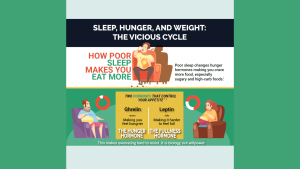
Ever noticed how eating just poha for breakfast leaves you hungry by 11 AM? Now try poha with sprouts or boiled eggs, you’ll stay full for hours. That’s because protein takes longer to digest and slows down how fast sugar is released into your blood.
This keeps energy steady and prevents the famous 4 PM energy crash. In simple terms, protein helps you eat less but feel more satisfied.
3. Protein Boosts Metabolism (Thermic Effect Explained)
Your body actually burns calories just to digest food. This is called the Thermic Effect of Food (TEF).
Among all nutrients, protein has the highest TEF, meaning your body uses more energy to break it down compared to carbs or fats. So, including protein in every meal doesn’t just build muscle, it literally increases calorie burn. Think of it as a mini workout for your digestive system.
Protein and Blood Sugar: The Secret to Steady Energy
Your metabolism and your blood sugar are closely connected. Meals low in protein (like white rice or bread-heavy meals) cause quick sugar spikes and crashes, leaving you tired, moody, or craving sweets.
When you add a protein source like dal, paneer, curd, eggs, or tofu, it slows the absorption of carbs, keeping your blood sugar levels steady and your energy stable.
Try this swap:
- Instead of just chapati and sabzi → add a bowl of curd.
- Instead of plain rice → mix in dal or rajma.
- Instead of tea and biscuits → have Greek yoghurt with nuts.
Each of these tiny upgrades supports better blood sugar control and long-term metabolic balance.

The Hidden Protein Deficiency Problem in India
Here’s the shocking truth: most Indians are protein-deficient. According to the Indian Market Research Bureau, the average Indian consumes only 30–40 grams of protein a day, far below the recommended 60–70 grams for adults.
That means most of us are running our bodies on half the fuel they need.
Common signs of low protein intake:
- Constant tiredness or brain fog
- Hair fall or brittle nails
- Slow recovery after workouts or illness
- Loss of muscle mass
- Weight gain or poor metabolism
And no, the solution isn’t gulping down expensive shakes; it’s about smart, everyday eating.
How Much Protein Do You Really Need?
A simple rule of thumb:
1 gram of protein per kilogram of body weight.
So if you weigh 60 kilos, you need around 60 grams of protein daily.
Here’s what that looks like in real food:
- 1 cup cooked dal = 15g
- 100g paneer = 18g
- 2 boiled eggs = 12g
- 1 cup curd = 8g
- 1 glass milk = 6g
When you distribute these across meals, it’s completely doable.
Easy Ways to Add Protein to Every Meal
Breakfast
- Add sprouts to poha or upma.
- Have eggs, tofu bhurji, or Greek yoghurt with fruit.
- Blend milk and nut butter into your smoothie.
Lunch
- Choose dal, rajma, or chana as your main dish.
- Add paneer cubes to sabzi or salad.
- Mix millet with dal for a complete protein meal.
Dinner
- Try khichdi with curd or moong dal soup.
- Non-veg eaters: include a small portion of chicken or fish.
- Finish with a handful of nuts or roasted chana.
Combine Proteins for Better Results
When you mix grains + legumes (like rice + dal, chapati + rajma), you create a complete protein that has all the essential amino acids your body needs.
Quick Daily Protein Checklist
| Meal | Protein Source | Approx. Protein (g) |
|---|---|---|
| Breakfast | 2 boiled eggs + milk | 18g |
| Mid-morning | Handful of roasted chana | 8g |
| Lunch | 1 cup dal + curd | 20g |
| Evening Snack | Greek yoghurt + nuts | 12g |
| Dinner | Moong khichdi + paneer | 20g |
| Total | ~78g |
See? Meeting your protein goal isn’t hard; it’s just about making small, smart swaps.
The Bottom Line
Protein isn’t a fad or fitness trend; it’s the foundation of good health. From your hormones to your hair, every part of you depends on it. And when you eat enough protein, your metabolism runs smoother, your energy lasts longer, and those random cravings start to disappear.
So today, take the simplest step in your metabolic journey: add protein to two meals a day. Your future self (and your metabolism) will thank you for it.