


Why a consistent bedtime might be the most powerful habit for your metabolism.
Why Sleep Is the Hidden Key to Metabolic Health?
You can eat right and move daily, but if you are not sleeping well, your metabolism never truly resets.
Sleep is when your body repairs muscles, balances hormones, and regulates blood sugar. Skipping rest does not just make you tired; it also disrupts the hormones that control hunger, stress, and energy.
How Sleep Regulates Hunger and Energy?
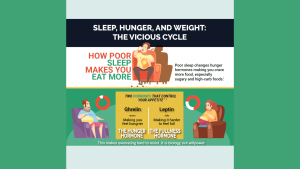
Two key hormones run the show when it comes to appetite: ghrelin and leptin.
- Ghrelin increases appetite.
- Leptin signals fullness.
When you sleep less than 7 hours, ghrelin levels rise while leptin drops. The result is stronger cravings, especially for high-sugar and high-fat foods.
At the same time, your insulin sensitivity decreases, meaning your body struggles to manage blood sugar efficiently. Over time, this leads to fatigue, slower fat burn, and easier weight gain.
Sleep is also when your body releases growth hormone, which helps repair muscles after daily activity. Poor sleep limits this recovery, making workouts feel harder and progress slower.
Why Going to Bed at the Same Time Heals Your Body?
Your body follows a built-in 24-hour clock known as the circadian rhythm. It controls when you feel sleepy, when you wake up, and how hormones are released throughout the day.
Keeping a consistent sleep and wake schedule trains this clock to work smoothly.
- Hormones such as cortisol and melatonin stay balanced.
- Digestion and metabolism follow a predictable rhythm.
- You wake up feeling rested instead of groggy.
When you constantly change bedtime, your body cannot predict when to rest or release key hormones. It stays in a mild state of confusion that drains energy and increases stress.
Sleep, Stress, and the Cortisol Connection
Lack of sleep and stress feed off each other.
When you sleep irregularly, your body produces excess cortisol, the stress hormone. High cortisol levels keep your body in “alert” mode, which
- increases blood sugar levels,
- slows fat metabolism, and
- encourages fat storage around the abdomen.
Chronic high cortisol can also cause mood swings, poor focus, and anxiety.
Quality sleep is one of the simplest ways to lower cortisol naturally. Think of it as your body’s built-in stress relief system.

Understanding Sleep Debt
Missing even 1 or 2 hours of sleep each night adds up. This is called sleep debt. For example, if you sleep 6 hours instead of 8 hours for five days, you owe your body 10 hours of rest. That debt shows up as brain fog, fatigue, poor recovery, and slower metabolism.
You can repay sleep debt gradually by
- adding 30 minutes of sleep each night, or
- taking a short 20-minute nap during the day.
Catching up on weekends alone will not fix it. What works best is a steady, consistent bedtime every night.
5 Steps to Build a Consistent Night Routine
A good night routine signals your brain that it is time to power down. Start simple.
Set a Fixed Bedtime and Wake Time: Pick realistic hours and stick to them, even on weekends. Consistency trains your body clock.
Reduce Screens and Bright Light: Blue light from phones and laptops blocks melatonin, the hormone that helps you fall asleep. Turn off screens at least 30 minutes before bed or switch to night mode.
Create a Calming Environment: Dim lights, lower noise, and keep your room cool. Soft lighting and minimal distractions help your body relax faster.
Add a Relaxing Habit: Drink warm milk or caffeine-free herbal tea. Try journaling, gentle stretches, or deep breathing. These small rituals tell your body it is time to rest.
Keep Sleep Sacred: Avoid heavy meals, alcohol, or intense exercise close to bedtime. Your body should associate the bedroom only with rest, not stimulation.
How Better Sleep Supports Long-Term Metabolic Health?
Consistent sleep does far more than prevent yawns. It improves how your body stores and uses energy.
| Function | Effect of Good Sleep | Effect of Poor Sleep |
|---|---|---|
| Insulin Sensitivity | Balanced, supports stable blood sugar | Decreased, leads to spikes and crashes |
| Hormone Regulation | Proper ghrelin–leptin balance | Increased appetite and cravings |
| Cortisol Levels | Lower and steady | Chronically high, promotes belly fat |
| Muscle Recovery | Improved repair and growth | Slower recovery, fatigue |
| Energy and Focus | High daytime alertness | Brain fog, reduced productivity |
Simple Tips to Improve Sleep Starting Tonight
- Avoid caffeine after 3 PM.
- Keep your phone away from the bed.
- Read or meditate before sleeping.
- Keep your bedroom dark and cool (around 20–22°C).
- Wake up with natural light whenever possible.
Within a week of consistent effort, most people notice better energy, lighter moods, and steadier hunger signals.
The Bottom Line
Sleep is not a luxury; it is a metabolic necessity. When you sleep well and at the same time each night, your hormones, digestion, and energy all move in sync. If your goal is better metabolism, start by fixing your bedtime before breakfast.